
Nose surgery in Puerto Vallarta
Rhinoplasty: facial harmony and proportion
Nose surgery to improve the bridge, refine the tip, or correct functional deviations, seeking natural results that complement your features without changing your identity.

What is rhinoplasty?
Rhinoplasty is a highly precise surgical procedure designed to reshape the structure of the nose, improving both its aesthetic appearance and internal respiratory function.
Our surgical philosophy is based on structural preservation. The nose is not just an aesthetic feature, but a vital support structure. We avoid the aggressive resection techniques of the past—which weakened the anatomy and led to pinched, collapsed, or unnatural nose shapes—and prioritize molding, reinforcing, and repositioning existing cartilages to achieve a strong, long-term stable, and aesthetically balanced outcome.
The goal is to achieve a nose that harmoniously complements the rest of your facial features, aiming for a natural look that is free from the typical hallmarks of surgery.
What changes
- ✓Proportion and alignment of the nasal bridge (hump)
- ✓Definition, rotation, and projection of the tip
- ✓Airflow by correcting septal deviations
What does not change
- •Your ethnic traits or essential facial structure
- •Your facial expressions or gestures when smiling
- •The natural texture of your nasal skin
What does the plan typically include?
Every nose is unique. Depending on your aesthetic and functional goals, the procedure may encompass:
Bridge or hump contouring
Smoothing of a prominent bony and cartilaginous hump or elevating a depressed bridge to achieve a straight and balanced profile.
Definition and support
Shaping and refining the cartilages of the tip to improve its rotation (elevation) and projection, ensuring structural support that lasts over time.
Septoplasty and turbinates
Straightening a deviated septum and reducing turbinate size to clear nasal airways and restore smooth, comfortable breathing.
* All details are planned during your medical consultation. Rhinoplasty is one of the most highly individualized procedures in aesthetic medicine.
This procedure may be right for you if...
- ✓You have a nasal hump, a wide or drooping tip, or asymmetries that concern you.
- ✓You experience breathing difficulties due to a deviated septum or turbinate hypertrophy.
- ✓Your facial bone structure is fully developed (typically starting at 16–17 years of age).
- ✓You are in good general health and have realistic expectations about the procedure.
It is recommended to evaluate alternatives if...
- •You wish to correct a minor irregularity on the bridge that can be smoothed using temporary liquid rhinoplasty with hyaluronic acid (non-surgical).
- •You are a minor and the skeletal growth of your nasal structure is not yet complete.
- •You have severe bleeding disorders or uncontrolled systemic conditions that increase surgical risk.
How we define your plan
A personalized clinical evaluation is essential. We analyze the external anatomy of your nose, skin thickness, and internal respiratory function to design a safe and harmonious procedure.
“The goal is to achieve a nose that complements your unique facial features while maintaining full respiratory function.”
Skin type and thickness dictate the definition that can be achieved, particularly at the nasal tip.
We examine the nasal septum, valves, and turbinates to ensure breathing is not compromised after aesthetic modifications.
We determine whether to use an open or closed approach, and if cartilage grafts (septal or ear) are needed for structural support.
The procedure, explained simply
In a closed approach, incisions are placed entirely inside the nose. In an open approach, a tiny transverse mark across the columella becomes virtually imperceptible once healed.
Bones and cartilages are modified and reshaped while maintaining proper support for the nasal airway.
For safety and patient comfort, the procedure is performed under general anesthesia in a hospital-based operating room.
Typically performed as an outpatient procedure, though staying overnight at the hospital may be suggested depending on the case.
Preparing for your surgery
Responsible preparation is essential to optimize surgical safety and ensure a smooth, comfortable postoperative recovery.
Recovery timeline
Recovery from rhinoplasty is a gradual process. Swelling and internal healing take months to fully resolve and reveal the final contour of the nose.
Days 1 to 3 — Initial care
This is the period of greatest nasal congestion. Blowing the nose is not permitted; drip pads should be used, and resting in a semi-upright position is advised. Apply cold compresses to the cheeks and forehead.Days 7 to 10 — Splint removal
We remove the protective thermoplastic splint and the external columellar sutures during your office visit. The nose will initially appear swollen, but the improvement in contour will be visible.Weeks 2 to 3 — Return to social activities
Bruising and acute swelling will subside significantly. Most patients return to school or office work, ensuring strict use of sun protection.Months 6 to 12 — Settling of results
Swelling in the tip (the area that takes the longest to resolve) subsides completely. The tissues settle according to each patient's individual healing process.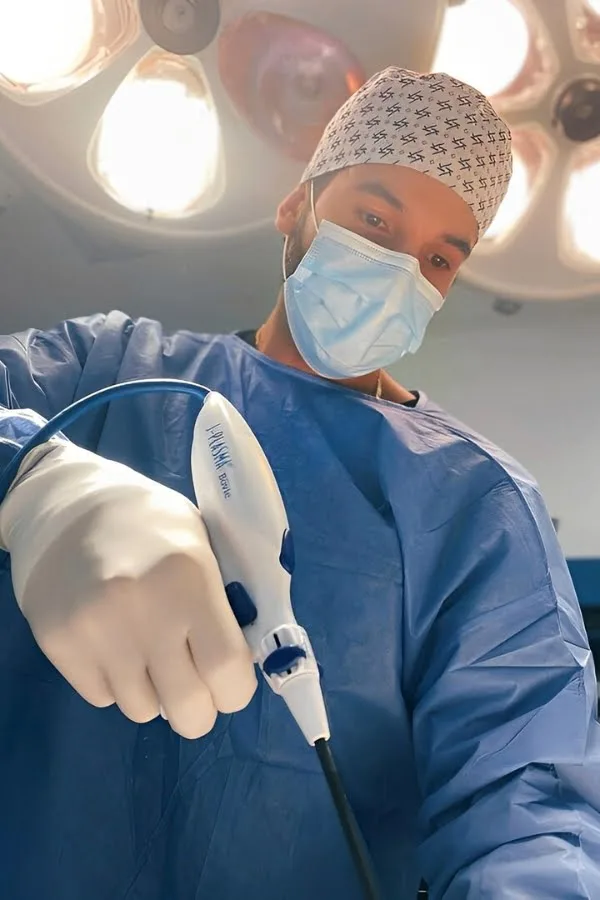
Surgical Safety & Excellence
Every procedure is performed under the highest standards of quality, backed by rigorous training and official board certifications.
Certified by CMCPER and an active member of AMCPER and ISAPS.
Surgeries performed at CMQ Premiere Hospital (PV) and Puerta de Hierro (Tepic).
A specialized focus centered on proportional and natural facial results.
Detailed anatomical study of both aesthetic appearance and respiratory function.
Monitoring of healing and direct medical support throughout your postoperative recovery.
Open or closed approaches using preservation techniques tailored to your case.
Surgical safety and realistic expectations
Like any facial surgery, rhinoplasty requires ethical clinical analysis. During your medical consultation, we review your medical history, allergies, nasal bone structure, and skin thickness to minimize risks and confirm if surgery is appropriate for you.
An in-person clinical evaluation is the only way to define the anatomical viability of your aesthetic goals.
Care for out-of-town patients
If you reside outside the region or abroad, we facilitate your medical journey through a preliminary virtual consultation and coordination assistance provided by our dedicated clinical team.
What's included
- ✓Guidance throughout the appointment flow and scheduling
- ✓Preoperative clinical recommendations and logistical guidance
What's not included
- •Flight bookings and direct lodging reservations
- •Logistical services outside of clinical care coordination
Rhinoplasty cost: what determines the quote
The cost of nose surgery should not be defined generically or without a previous medical evaluation. Each surgical quote is personalized and depends on the specific features of your case.
During your clinical evaluation, Dr. Uriel Muñoz will examine your anatomy and design a customized surgical plan. The final quote of the procedure is determined based on the following factors:
- •Type of surgical approach (open or closed).
- •Anatomical complexity (primary vs. secondary revision rhinoplasty).
- •Operating room and hospital fees.
- •Specific medical supplies, surgical team, and anesthesiologist fees.
Common questions about rhinoplasty
World-Class Medical Infrastructure
For your peace of mind and medical safety, all surgical procedures are performed exclusively in certified hospitals with intensive care units and valid sanitary accreditation.
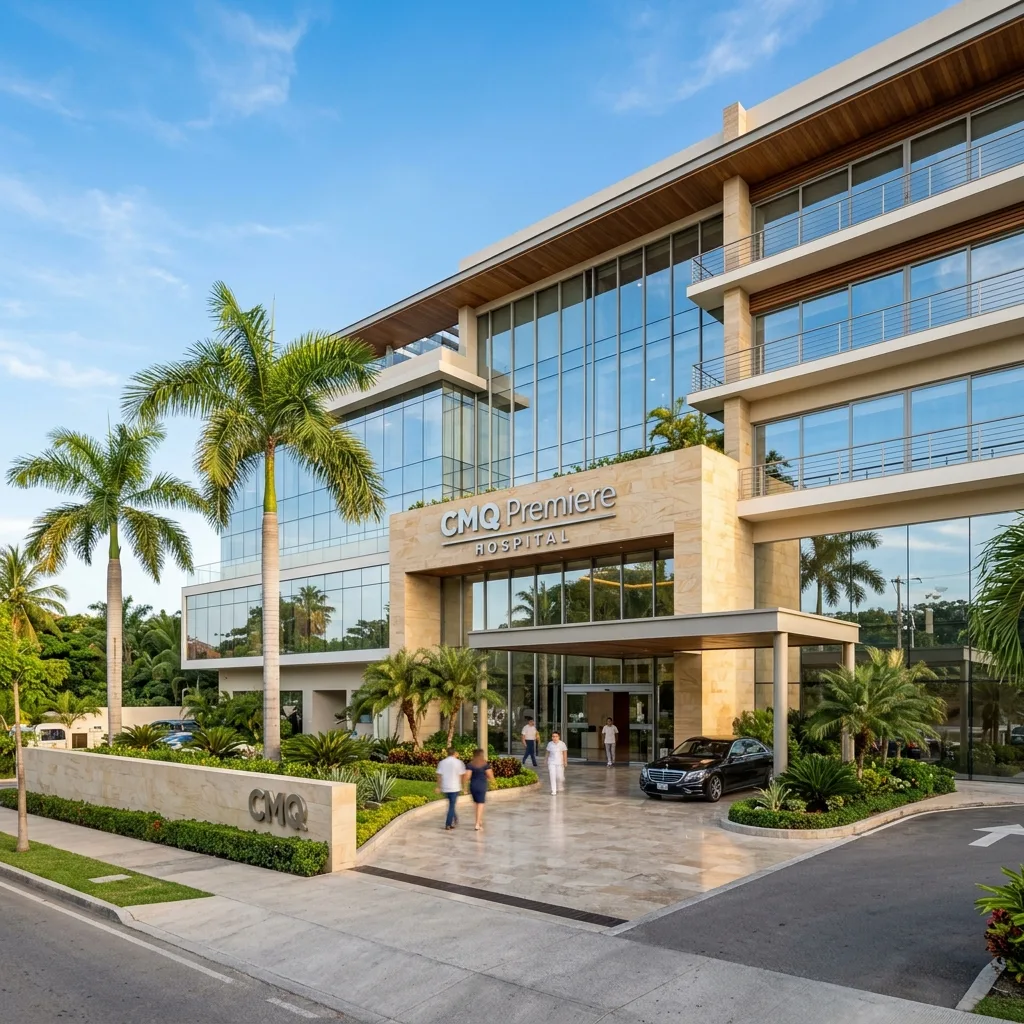 Puerto Vallarta, Jalisco
CMQ Premiere Hospital
The most prestigious hospital facility in Puerto Vallarta for elective surgeries. Features premium amenities focused on patient comfort and comprehensive surgical safety.
- High-tech equipped surgical suites
- Fully equipped Intensive Care Unit (ICU)
- Nationally certified facilities
- Specialized bilingual medical staff
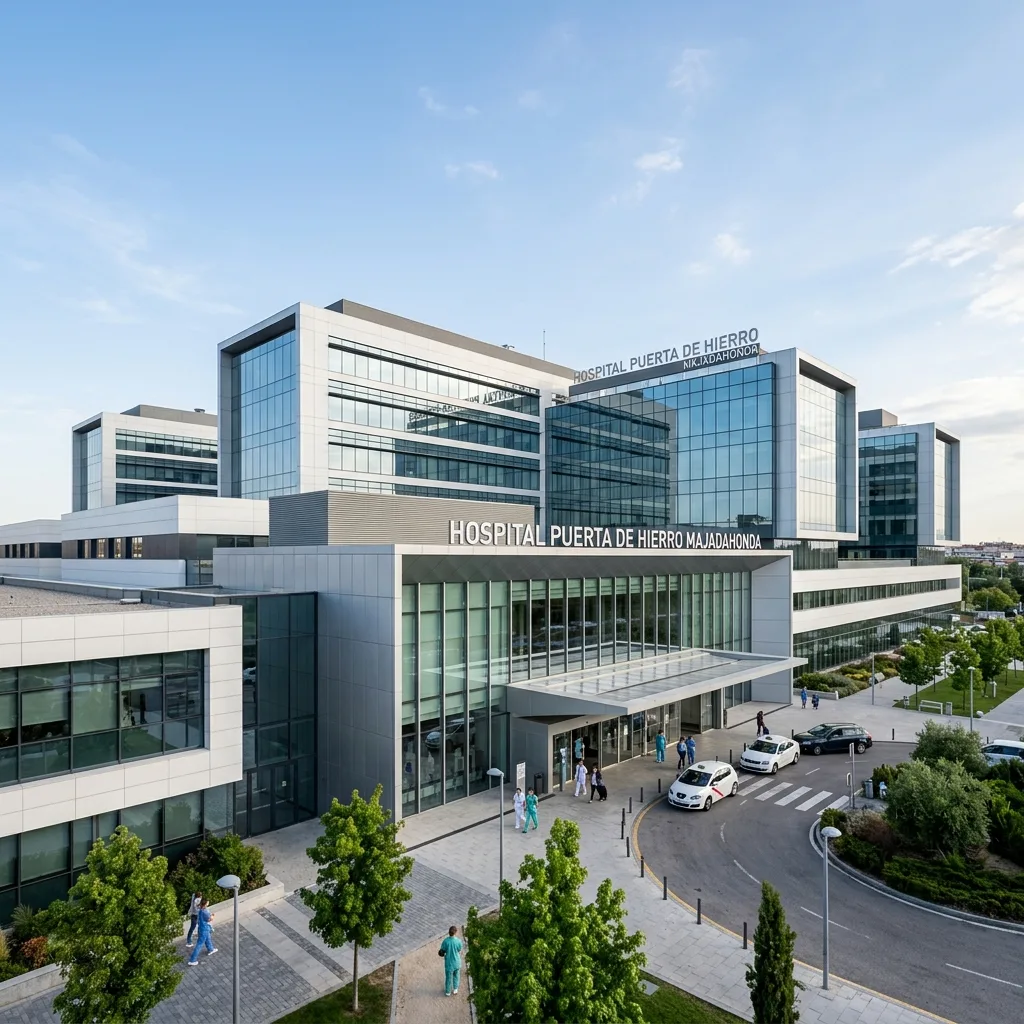 Tepic, Nayarit
Puerta de Hierro Hospital
High-specialty hospital and member of the region's most prominent medical network. Provides international-level infrastructure and comprehensive tertiary medical support.
- High-specialty surgical blocks
- State-of-the-art Intensive Care
- Accredited by the General Health Council
- International hospital safety standards
Personalized Consultation
Start your consultation and assessment. Tell us about your case and we will coordinate your medical appointment.
Consultation: MX$900
Assessment Request Received!
Thank you for your trust. Our medical team will review your information and get back to you shortly during our business hours.
Medical Review: Content prepared under the supervision and approval of Dr. Uriel Muñoz, Plastic Surgeon certified by the Mexican Board of Plastic, Aesthetic and Reconstructive Surgery (CMCPER Registration #2585). Last medical review: July 8, 2026.
Scientific Sources and Reference Clinical Guidelines: American Society of Plastic Surgeons (ASPS) - Rhinoplasty Procedure guides; Mayo Clinic - Rhinoplasty Patient Information; SECPRE - Nose Surgery clinical practice guidelines; CMCPER.
* This information is educational and does not replace a medical consultation. Individual results, recovery, risks, and recommendations vary by patient.