
Mastopexy in Puerto Vallarta
Breast Lift: firmness and youthful reshaping
Surgical procedure to lift and reshape sagging breast tissue, trimming excess loose skin and repositioning the nipple-areola complex to an aesthetic, natural height.

What is a breast lift?
A breast lift, or mastopexy, is a reconstructive and aesthetic surgery that repositions breast tissue that has sagged due to gravity, pregnancy, or weight loss.
Our philosophy prioritizes stable internal glandular reshaping. A long-lasting lift does not rely solely on trimming excess sagging skin (which would stretch again under its own weight), but on performing an auto-flap or suturing the breast gland itself to secure it firmly to the upper muscular plane. We honestly assess whether you require the complementary support of implants or if your own breast tissue is sufficient.
The goal is to restore a conical, firm, and youthful contour, with nipple-areola complexes positioned at a height appropriate for your body proportions, while preserving blood supply and sensitivity as much as possible.
What changes
- ✓Elevation and firmness of sagged breast tissue
- ✓Repositioning and reduction of enlarged areolas
- ✓Removal of loose or wrinkled skin at the breast base
What doesn't change
- •Breast size (requires implants or a reduction)
- •The absence of scars (incisions are required to remove skin)
- •Your skin's natural collagen quality during weight changes
What does the plan typically include?
A breast lift is customized to the degree of sagging (ptosis) using one of three incision techniques:
Periareolar Technique (Donut)
A circumferential incision around the areola. It allows the removal of a small ring of skin, which is ideal for lifting the nipple by 1 or 2 cm and correcting subtle sagging.
Vertical Technique (Lollipop)
An incision around the areola combined with a vertical line running down to the lower crease. Ideal for reshaping moderately heavy breasts into a conical contour.
Inverted-T Technique (Anchor)
Combines a periareolar incision, a vertical line, and a horizontal incision along the inframammary fold. Crucial for stably lifting very heavy, severely sagged breasts.
* During your evaluation, the surgeon will measure breast ptosis in centimeters relative to the clavicle line to determine your ideal technique.
This procedure may be right for you if...
- ✓Your breasts look saggy or flattened, and your nipples point downward or are positioned below the submammary fold.
- ✓You have completed childbearing and breastfeeding and wish to restore the original appearance of your chest.
- ✓You have experienced significant weight loss that resulted in loose, sagging breast skin.
- ✓You are fully aware that lifting the breasts requires incisions and scars, and you accept their long-term healing process.
It is best to consider alternatives if...
- •You plan future pregnancies in the near term, as hormonal fluctuations and breastfeeding will stretch the breast tissue again.
- •You only wish to restore volume to the upper pole without additional scars, and you have mild sagging (a simple implant might suffice).
- •You are an active smoker and are not willing to quit nicotine, as it severely increases the risk of wound healing complications (dehiscence) or necrosis.
How we define your plan
An individualized clinical consultation is essential. We measure the degree of ptosis (sagging), the thickness of the remaining glandular tissue, and skin elasticity to plan a safe mastopexy.
“We aim to restore the breast's conical projection. We evaluate the remaining volume to decide if combining the lift with implants is necessary or if your own tissue is sufficient.”
We determine whether the areola is positioned at the level of the crease (Grade I), below it (Grade II), or pointing toward the floor (Grade III).
We evaluate whether we can utilize an inferior pedicle flap to restore volume to the upper pole without implants.
We precisely mark surgical lines in an upright position to ensure symmetry and controlled tension in the operating room.
The procedure, explained simply
The breast gland is lifted and sutured to the deep fascial plane, ensuring a long-lasting, stable lift.
They are moved to their new, aesthetic height without disconnecting them from their vital blood supply and nerve endings.
Performed under controlled and fully monitored general anesthesia for your complete safety and surgical comfort.
We typically recommend staying the first night in the hospital for fluid monitoring and initial pain management.
Preparing for your surgery
Responsible preparation is essential to optimize surgical safety and facilitate a smooth, comfortable postoperative recovery.
Recovery timeline
Recovery after a mastopexy requires meticulous care, particularly regarding arm movements, to prevent tension on the sutures.
Days 1 to 3 — Bandage and Drain Removal
We remove the thick compression dressings from the operating room and any soft drains during your first follow-up consultation. The continuous postoperative bra is then placed.Days 10 to 14 — Gradual Stitch Removal
Detailed inspection of the incisions and removal of external stitches. Swelling begins to subside gradually.Week 3 — Return to Work and Social Activities
Daily office routines may be resumed. You must still avoid lifting heavy objects and refrain from vigorous physical exercise or lifting your elbows above shoulder level.Months 3 to 12 — Scar Maturation
The breasts settle into their final, soft position. Scar lines transition from pink to a flat, pale shade, becoming highly discreet with the consistent use of silicone sheeting.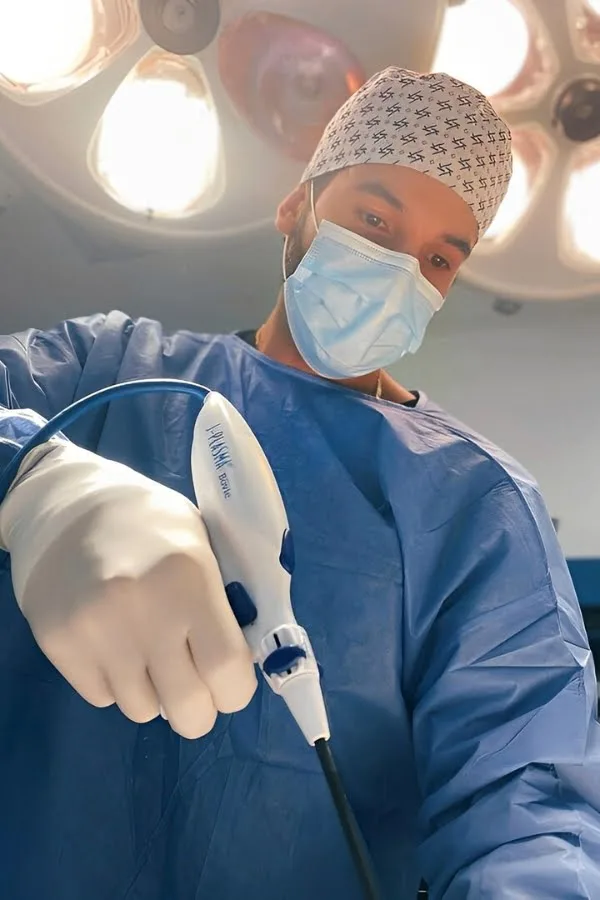
Surgical safety and excellence
Each procedure is performed under the highest quality standards, backed by solid academic training and official board certifications.
Certified by CMCPER, active member of AMCPER and ISAPS.
Surgeries performed at CMQ Premiere Hospital (PV) and Puerta de Hierro (Tepic).
Focus on restructuring the gland itself rather than simply stretching the skin.
Postoperative monitoring protocol, including medical gels and lasers for scars.
Consistent checks on healing and direct medical support throughout your recovery.
Advanced lifting techniques, with or without implants, in the retropectoral plane.
Surgical safety and realistic expectations
Like any breast surgery, a breast lift requires an ethical clinical analysis. During your medical consultation, we evaluate your skin elasticity, nipple position, and breast medical history to minimize risks and confirm if the surgery is appropriate for you.
An individualized clinical consultation defines the anatomical viability of your breast lift.
Support for out-of-town patients
If you reside outside the region or abroad, we facilitate your medical journey through a preliminary virtual consultation and clinical coordination support provided by our designated team.
What's included
- ✓Guidance on appointment scheduling and medical agenda
- ✓Preoperative clinical and logistics recommendations
What's not included
- •Flights and direct lodging reservations
- •Logistical services outside of medical coordination
Breast lift cost: what determines the price
The cost of a mastopexy (breast lift) cannot be determined in a generic manner or without a prior medical evaluation. Every surgical quote is customized and based on the unique details of your case.
During your surgical evaluation, Dr. Uriel Muñoz will examine your anatomy and define a personalized surgical plan. The final quote for the procedure is calculated based on the following factors:
- •The type of technique (periareolar, vertical, or inverted-T) based on the degree of sagging.
- •Complementary use of breast implants or fat transfer.
- •Operating room fees at a certified, fully equipped hospital.
- •Professional fees for the anesthesiologist, surgeon, and nursing staff.
Common questions about a breast lift
World-Class Medical Infrastructure
For your peace of mind and medical safety, all surgical procedures are performed exclusively in certified hospitals with intensive care units and valid sanitary accreditation.
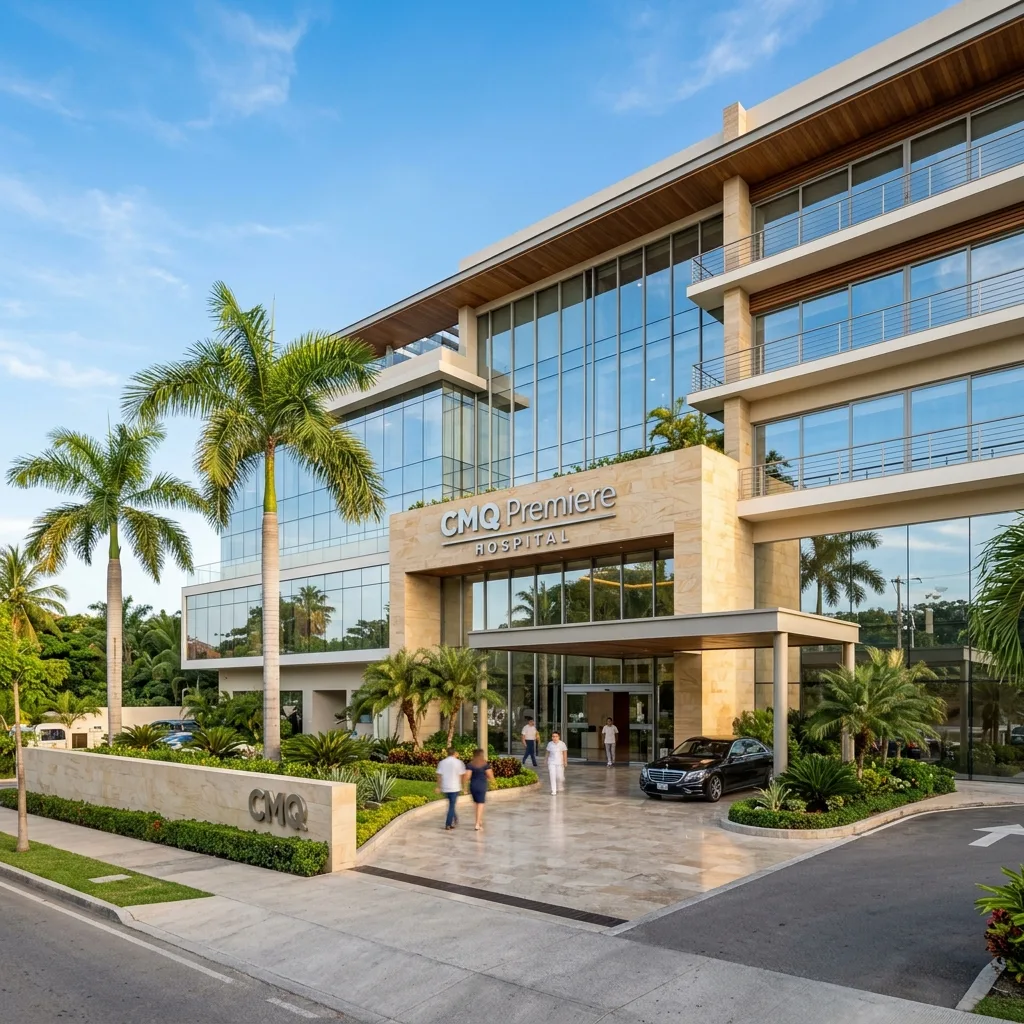 Puerto Vallarta, Jalisco
CMQ Premiere Hospital
The most prestigious hospital facility in Puerto Vallarta for elective surgeries. Features premium amenities focused on patient comfort and comprehensive surgical safety.
- High-tech equipped surgical suites
- Fully equipped Intensive Care Unit (ICU)
- Nationally certified facilities
- Specialized bilingual medical staff
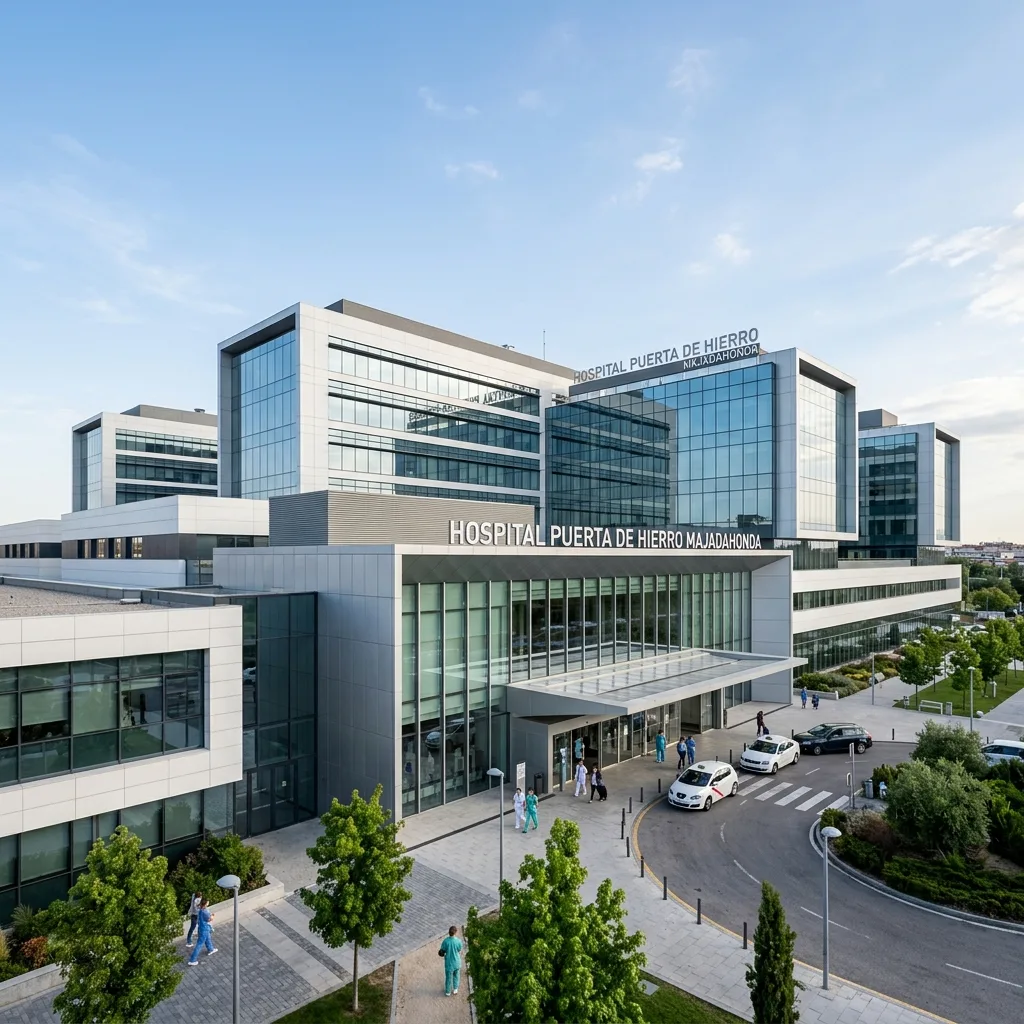 Tepic, Nayarit
Puerta de Hierro Hospital
High-specialty hospital and member of the region's most prominent medical network. Provides international-level infrastructure and comprehensive tertiary medical support.
- High-specialty surgical blocks
- State-of-the-art Intensive Care
- Accredited by the General Health Council
- International hospital safety standards
Personalized Evaluation
Start your consultation and evaluation. Tell us about your case, and we will coordinate your medical appointment.
Consultation: MX$900
Assessment Request Received!
Thank you for your trust. Our medical team will review your information and get back to you shortly during our business hours.
Medical Review: Content prepared under the supervision and approval of Dr. Uriel Muñoz, Plastic Surgeon certified by the Mexican Board of Plastic, Aesthetic and Reconstructive Surgery (CMCPER Board Certification #2585). Last medical review: July 8, 2026.
This information is educational and does not replace a medical consultation. Individual results, recovery, risks, and recommendations vary by patient.
Scientific Sources & Reference Guidelines: American Society of Plastic Surgeons (ASPS) - Mastopexy / Breast Lift guides; Mayo Clinic - Breast Lift information; CMCPER.