
Bichectomy in Puerto Vallarta
Refine your cheek contour with a plan shaped around your features
Your consultation reviews facial anatomy, cheek volume, and your goals to determine whether bichectomy may be an appropriate option for you.

What is a bichectomy?
A bichectomy (buccal fat removal) is a minor surgical procedure that involves the partial removal of buccal fat pads located in the cheeks.
Our philosophy is based on anatomical suitability. The buccal fat pads act as support and cushioning pads in the face. Their permanent removal must be done with caution. We avoid aggressive over-extraction that could lead to a gaunt or "hollowed-out" look over the years, and we prioritize evaluating the bone structure of the patient's cheekbones and jawline to confirm if the procedure will provide a harmonious, natural, and youthful transition.
The goal is to subtly slim rounded cheeks, highlighting the definition of facial bone structure without compromising healthy facial aging.
What changes
- ✓Reduction in cheek fullness/roundness
- ✓Enhanced definition of cheekbones and jawline
- ✓Sleeker, more contoured facial appearance
What doesn't change
- •Subcutaneous excess fat in the double chin or neck
- •Bone structure or size of the lower jaw
- •Muscle laxity in the lower third of the face
What does the plan typically include?
Buccal fat removal is a quick and minimally invasive procedure. Your personalized surgical plan includes:
Hidden internal incision
A small incision of approximately 1 cm is made inside each cheek, avoiding any type of external skin scarring.
Sculpting of the buccal fat pads
Careful and symmetrical removal of the excess volume of the buccal fat pad, tailored to the patient's anatomy and contouring goals.
Absorbable sutures
The small internal incisions are closed with fine absorbable sutures that do not require manual removal, as they fall out on their own within a few days.
* Although it is a straightforward procedure, it requires expert knowledge of deep facial anatomy to protect the facial nerve and salivary duct.
You may be a good candidate if...
- ✓You have prominent or rounded cheeks that do not change with body weight loss.
- ✓You want more definition in the transition between your cheekbones and jawline.
- ✓You have firm, elastic skin and facial anatomy that can support the loss of fat volume.
- ✓You have realistic expectations and are in good overall health.
Alternatives should be evaluated if...
- •Your face is naturally elongated, thin, or already shows significant loss of fat volume in the cheeks.
- •You have moderate to severe skin laxity in the lower third of the face (jawline/neck), which would benefit more from a facelift or collagen stimulators.
- •You want to define your facial contour but your main concern is a double chin or an underprojected jaw (retrognathia).
Designing your surgical plan
A personalized clinical evaluation is essential. We analyze the muscular and bone structure of your cheekbones and jaw, ruling out laxity or volume loss that would contraindicate buccal fat removal.
“Buccal fat removal aims for an elegant refinement. We evaluate the face's long-term dynamics to ensure the contouring ages naturally.”
We confirm whether your cheek roundness is due to the buccal fat pads or the width of the jawbones and zygomatic arch.
We analyze skin elasticity to prevent the removal of fat support from accelerating the appearance of marionette lines or nasolabial folds.
We check if the jaw width is caused by an overgrown masseter muscle (which is preferably treated with botulinum toxin).
The procedure, explained simply
A small 1 cm incision inside the cheek, completely invisible externally. It heals quickly and uses self-dissolving sutures.
A quick, minimally invasive procedure with minimal post-operative discomfort.
Comfortably performed under local anesthesia (with or without complementary sedation according to patient preference).
You return to your home or hotel for recovery immediately after the procedure.
Preparing for your surgery
Since the incisions are made inside the oral cavity, strict hygiene and the health of your gums and teeth are essential to prevent complications.
Recovery process
Due to the area's rich blood supply, the cheeks will swell noticeably in the first few days. Diet and strict oral hygiene are key to proper healing.
Days 1 to 3 — Acute Swelling
Visible swelling is normal. The use of cold compresses externally and a strict cold liquid/soft diet is prescribed, alongside frequent antiseptic mouth rinses.Days 5 to 7 — Diet Adjustment
Initial swelling begins to subside. Patients can transition to a lukewarm soft diet (avoiding hot, spicy, or irritating foods). The internal sutures begin to dissolve on their own.Week 2 — Returning to Work
Swelling decreases significantly, though individual variation occurs. Patients can typically return to work and social activities.Weeks to Months — Final Contour
Tissues heal completely and the volume in the cheeks resolves, defining the cheekbone contours according to individual healing and anatomy.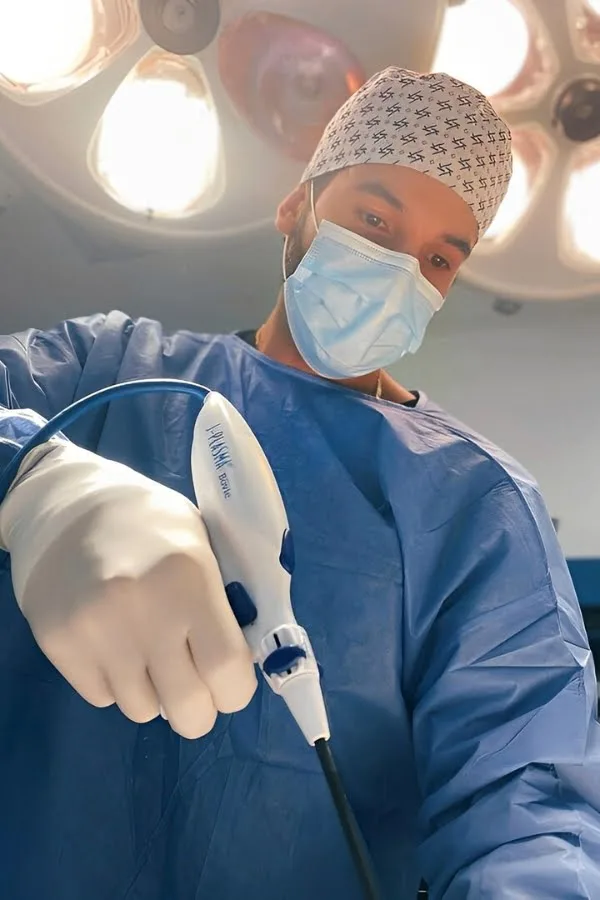
Surgical safety and clinical excellence
Each procedure is performed under the highest standards of care, backed by rigorous training and official board certifications.
CMCPER certification; active member of AMCPER and ISAPS.
Surgical procedures performed at Hospital CMQ Premiere (PV) and Puerta de Hierro (Tepic).
Focus on proportional and natural results tailored to your unique facial features.
Detailed anatomical study of facial aesthetics and structure.
Wound healing evaluations and medical support throughout your recovery.
Clean intraoral approaches using tissue preservation techniques tailored to your case.
Surgical safety and realistic expectations
Like any cosmetic surgery, buccal fat removal requires ethical clinical judgment. During your consultation, we evaluate your skin thickness and cheekbone projection to minimize risks and confirm if the surgery is appropriate for you.
A personalized clinical evaluation determines if you are a viable long-term candidate.
Assistance for out-of-town patients
If you live outside the region or abroad, we facilitate your medical journey through a preliminary virtual consultation and clinical orientation assistance from our dedicated team.
What is included
- ✓Guidance on scheduling and medical appointments
- ✓Logistical and clinical preoperative recommendations
What is not included
- •Flights and direct lodging reservations
- •Logistical services unrelated to clinical coordination
Bichectomy cost: what determines the price
The cost of buccal fat removal should not be defined generically or without a prior clinical evaluation. Each surgical quote is individualized and corresponds to the specific details of your case.
During your consultation, Dr. Uriel Muñoz will assess your anatomy and define a tailored surgical plan. The final quote for the procedure is determined based on the following factors:
- •Type of anesthesia used (local or combined with sedation).
- •Surgical facility (equipped procedure room or hospital operating room).
- •Whether it is performed as a standalone procedure or combined with double chin liposuction.
- •Included follow-up appointments and healing evaluations.
Common questions about bichectomy (buccal fat removal)
World-Class Medical Infrastructure
For your peace of mind and medical safety, all surgical procedures are performed exclusively in certified hospitals with intensive care units and valid sanitary accreditation.
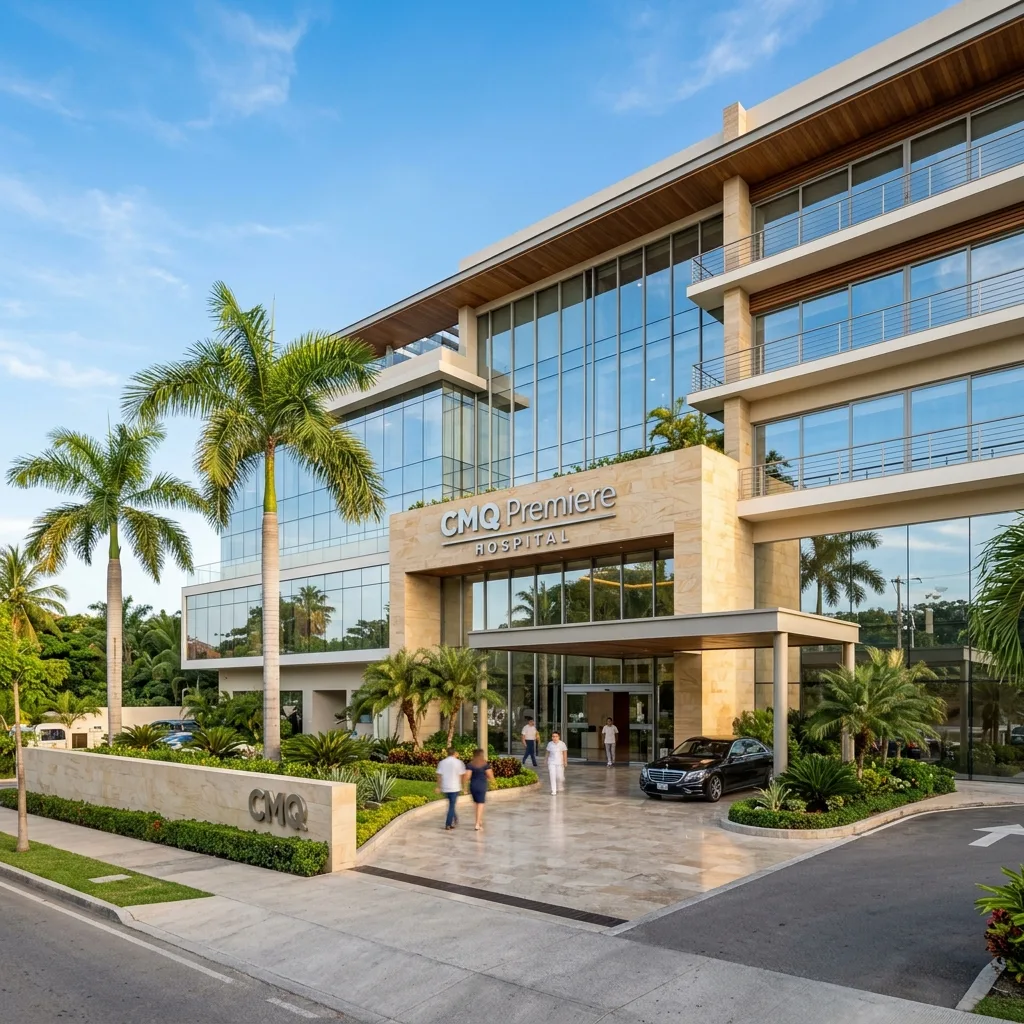 Puerto Vallarta, Jalisco
CMQ Premiere Hospital
The most prestigious hospital facility in Puerto Vallarta for elective surgeries. Features premium amenities focused on patient comfort and comprehensive surgical safety.
- High-tech equipped surgical suites
- Fully equipped Intensive Care Unit (ICU)
- Nationally certified facilities
- Specialized bilingual medical staff
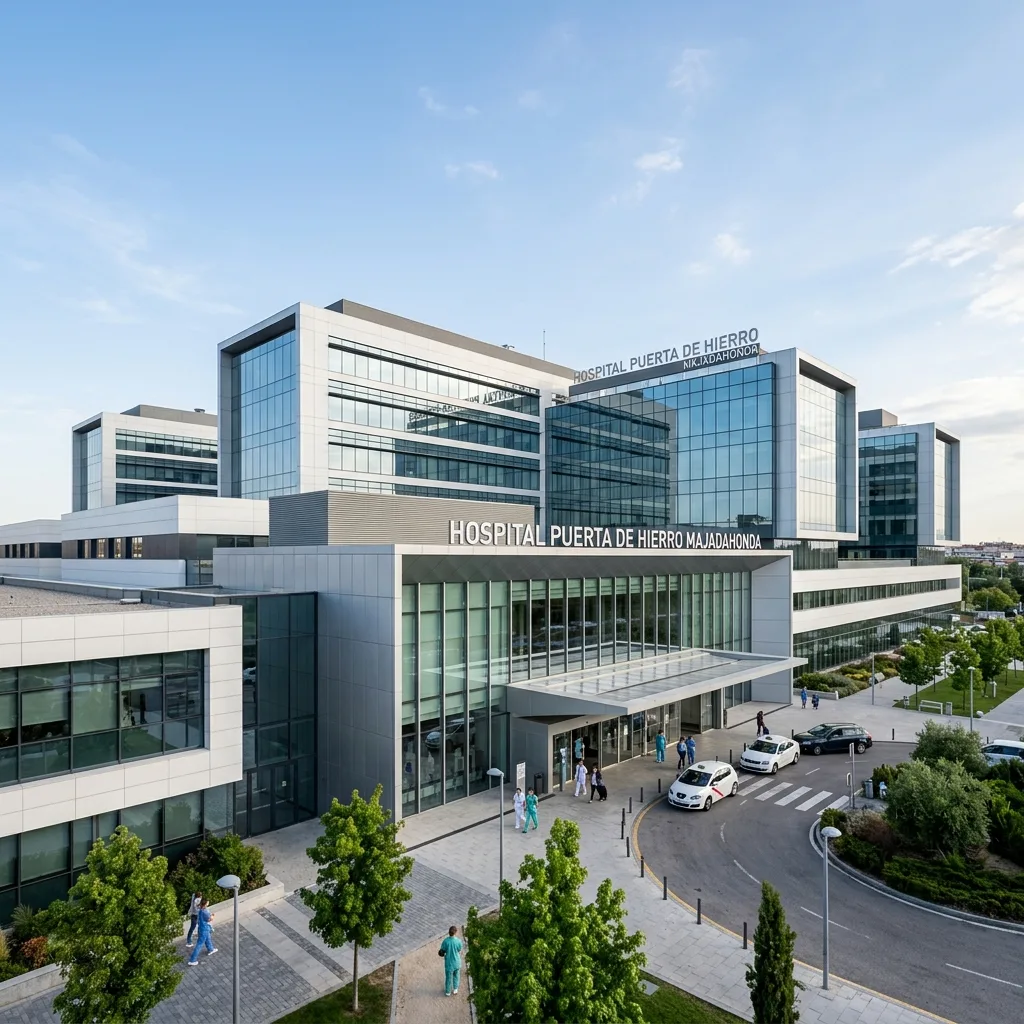 Tepic, Nayarit
Puerta de Hierro Hospital
High-specialty hospital and member of the region's most prominent medical network. Provides international-level infrastructure and comprehensive tertiary medical support.
- High-specialty surgical blocks
- State-of-the-art Intensive Care
- Accredited by the General Health Council
- International hospital safety standards
Personalized Consultation
Start your consultation and assessment. Tell us about your case and we will coordinate your medical appointment.
Consultation: MX$900
Assessment Request Received!
Thank you for your trust. Our medical team will review your information and get back to you shortly during our business hours.
Medical Review: Content prepared under the supervision and approval of Dr. Uriel Muñoz, Board-Certified Plastic Surgeon (CMCPER Registration #2585). Last medical review: July 8, 2026.
Scientific Sources and Reference Clinical Guidelines: American Society of Plastic Surgeons (ASPS) - Buccal Fat Removal safety & candidates; Mayo Clinic - Plastic surgery facial contours; NCBI Bookshelf - Buccal Fat Pad Anatomy.
* This information is educational and does not replace a medical consultation. Individual results, recovery, risks, and recommendations vary by patient.