
Breast Fat Transfer in Puerto Vallarta
Breast Augmentation: 100% natural volume and contour
Enhance your breast volume without synthetic implants. We harvest localized fat from your own body and transfer it in a purified form to your breasts.
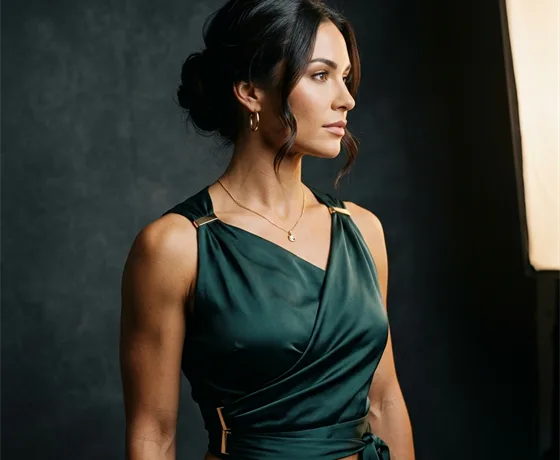
What is breast fat transfer?
Breast augmentation with fat transfer is a dual technique that harvests excess fat from your body to inject it into the breasts.
Our philosophy prioritizes biological harmony and subtle results. Fat transfer is not intended to replace a large implant, but rather to offer an alternative for patients who desire a discrete improvement, want to restore minor asymmetries, or fill the upper pole of the breast without introducing foreign objects. We extract fat using gentle liposuction techniques to preserve cells and reinject them into multiple microscopic planes.
The result is a softer breast texture, a natural drop with movement, and the simultaneous reduction of unwanted fat in other areas of the silhouette.
What it can change
- ✓Moderate increase (half to one cup size per session)
- ✓Refined body contouring (abdomen or flanks)
- ✓100% soft and natural breast texture and feel
What it cannot change
- •Massive increases of 3 or more cup sizes
- •Significant structural support for severe breast sagging
- •Stable volume in the event of drastic weight loss
What does the surgical plan include?
Breast fat transfer is a detailed procedure structured in three consecutive surgical stages:
Targeted Liposuction
Gentle extraction of localized fat deposits in the abdomen, thighs, or flanks using low-pressure thin cannulas to preserve the living fat cells (adipocytes).
Centrifugation and Filtration
Purification of harvested fat using closed filtration and gentle centrifugation systems, separating pure fat cells from blood, oils, and fluids.
Layered Microinjection
Precise and detailed injection of the purified fat into the subcutaneous and premuscular breast tissue using microcannulas to support vascularization and survival.
* Since it does not use artificial implants, it is ideal for patients with allergies or those who prefer not to have synthetic devices in their bodies.
You may be a candidate if...
- ✓You seek a moderate increase and a natural look, feel, and movement.
- ✓You have sufficient pockets of excess fat in the abdomen, flanks, back, or thighs.
- ✓You wish to correct mild breast asymmetries or add fullness to the upper pole of your cleavage.
- ✓You prefer to completely avoid synthetic silicone implants.
It is recommended to evaluate alternatives if...
- •You are a very thin patient with low BMI and lack donor fat deposits.
- •You want a significant volume increase (2 or more cup sizes), which requires silicone breast implants.
- •You have a strong family history of breast pathology without strict check-ups.
How we define your plan
An individualized clinical consultation is essential. We evaluate the amount of donor fat available on your silhouette, the firmness of your breast skin, and your overall symmetry to plan a safe fat transfer.
"We aim to achieve a natural enhancement. We evaluate the donor sites to guarantee a sufficient quantity of viable adipocytes."
We measure subcutaneous fat thickness in the abdomen, flanks, and thighs through direct clinical pinch testing.
We review native breast tissue to rule out pre-existing microcalcifications or nodules prior to fat injection.
We estimate the final volume of pure fat to be injected per breast, projecting the expected survival and reabsorption rates.
The procedure, explained simply
Fat is extracted from donor areas using fine cannulas at low suction to protect cell viability.
The fat passes through a closed filtration and purification system to isolate a clean, pure lipid fraction.
Pure fat is distributed in multiple thin tunnels to ensure that each cell is in contact with blood vessels.
The surgery is performed under controlled general anesthesia or deep sedation in a hospital setting for your safety.
Preparing for your surgery
Responsible preparation is essential to optimize surgical safety and facilitate a smooth, comfortable postoperative recovery.
Recovery timeline
Recovery combines the care of the liposuctioned areas (abdomen/thighs) and the injected breasts, requiring initial moderate rest.
Days 1 to 3 — Care of donor sites
You will feel soreness similar to intense exercise in the abdomen or thighs. Discomfort in the breasts is usually very mild. You must wear the compression garment and a soft, wireless support bra.Days 7 to 10 — Removal of fine sutures
We remove the tiny sutures from the small liposuction incisions. The breasts will appear swollen, which is normal.Week 2 — Return to daily routines
Return to light office work. It is extremely important NOT to compress the breasts directly (avoid tight bras or sleeping face down) to protect the survival of the transferred fat.Months 3 to 6 — Final volume and integration
After this period, the reabsorbed fat portion has dissipated, and the surviving fat integrates permanently into the breast tissue.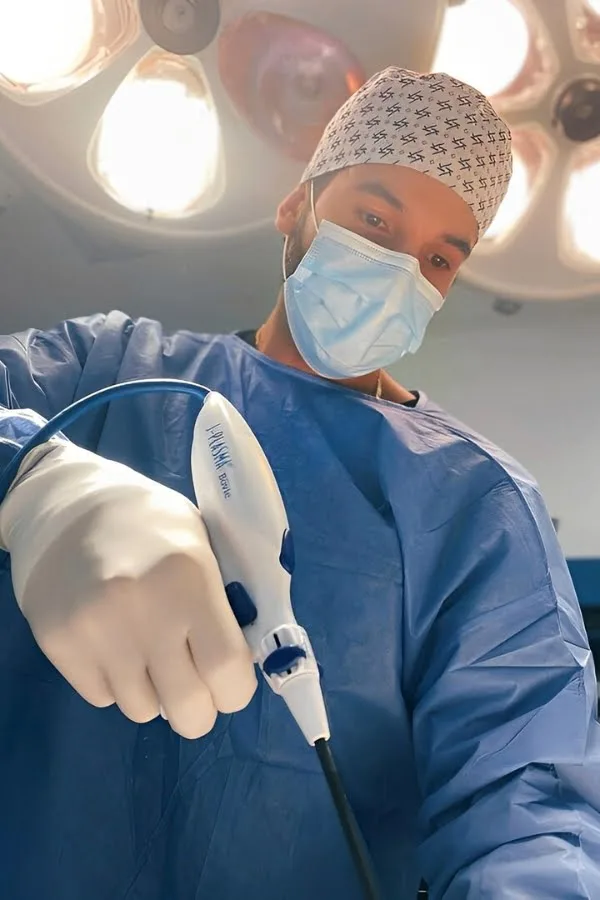
Safety and surgical excellence
Each procedure is carried out under the highest quality standards, backed by solid training and official certifications.
CMCPER board certification, active member of AMCPER and ISAPS.
Surgeries performed at Hospital CMQ Premiere (PV) and Puerta de Hierro (Tepic).
Exclusive use of your own purified biological fat tissue.
Advanced purification and microinjection techniques for maximum cell survival.
Personalized scar monitoring and medical support throughout your recovery.
Complementary liposuction to sculpt and shape your donor areas.
Surgical safety and realistic expectations
Like all breast surgeries, fat transfer breast augmentation requires an ethical clinical analysis. During your medical consultation, we assess the fat available in your donor zones, skin elasticity, and volume expectations to reduce risks and confirm if the surgery is suitable for you.
An individualized clinical consultation is the only way to define the anatomical viability of your aesthetic goals.
Out-of-town patient support
If you live outside the region or abroad, we facilitate your medical journey through a preliminary virtual consultation and clinical orientation assistance from our team.
What it includes
- ✓Guidance throughout scheduling and appointments
- ✓Preoperative clinical recommendations and logistics support
What it does not include
- •Flights and direct lodging bookings
- •Logistics services unrelated to clinical coordination
Cost of breast fat transfer: what determines the budget
The cost of fat transfer breast augmentation should not be defined generically or without a prior clinical evaluation. Each surgical quote is individualized and tailored to the specifics of your case.
During your consultation, Dr. Uriel Muñoz will evaluate your anatomy and design a customized surgical plan. The final cost of the procedure is determined based on the following factors:
- •The extent and number of liposuction donor areas (e.g., full abdomen or flanks only).
- •The integration of specialized cellular fat purification and processing technologies.
- •Operating room and hospital fees in a safe facility.
- •Surgical team fees and follow-up consultation visits.
Common questions about breast fat transfer
World-Class Medical Infrastructure
For your peace of mind and medical safety, all surgical procedures are performed exclusively in certified hospitals with intensive care units and valid sanitary accreditation.
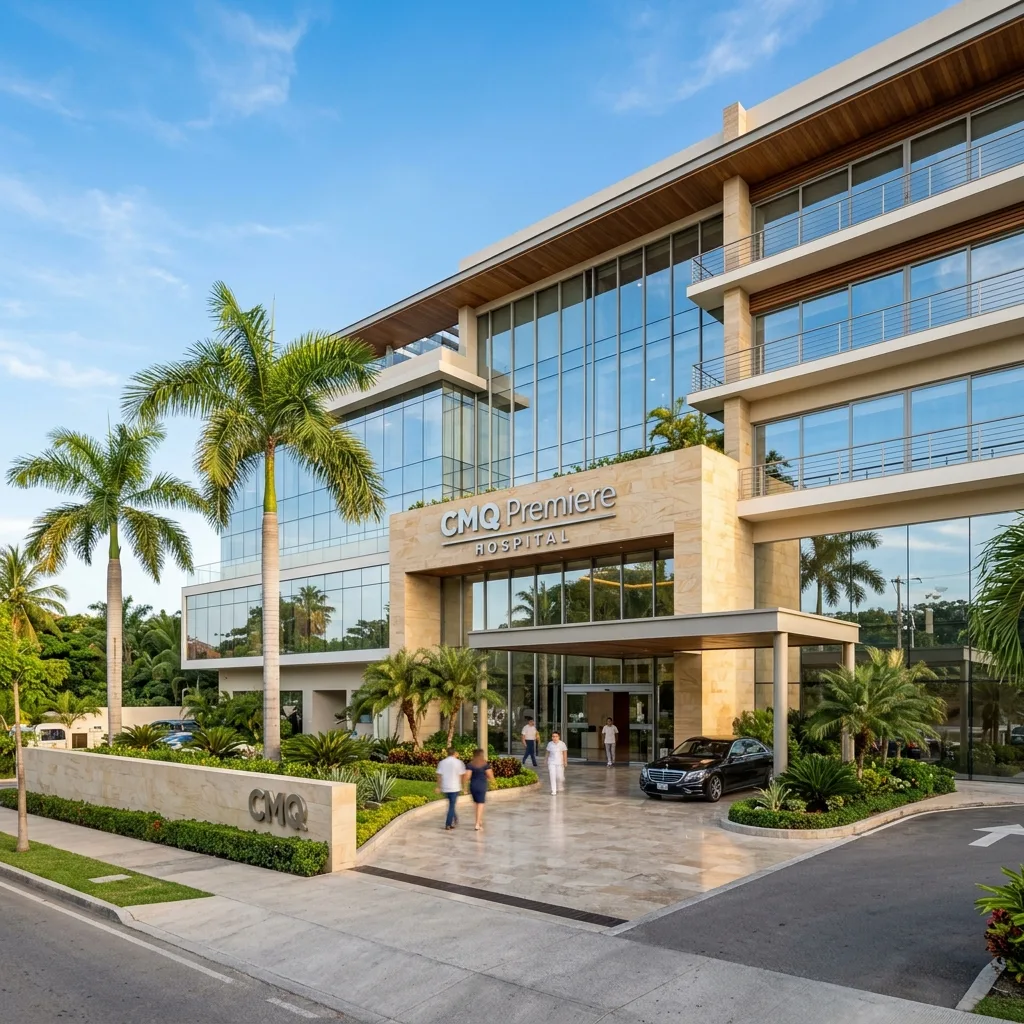 Puerto Vallarta, Jalisco
CMQ Premiere Hospital
The most prestigious hospital facility in Puerto Vallarta for elective surgeries. Features premium amenities focused on patient comfort and comprehensive surgical safety.
- High-tech equipped surgical suites
- Fully equipped Intensive Care Unit (ICU)
- Nationally certified facilities
- Specialized bilingual medical staff
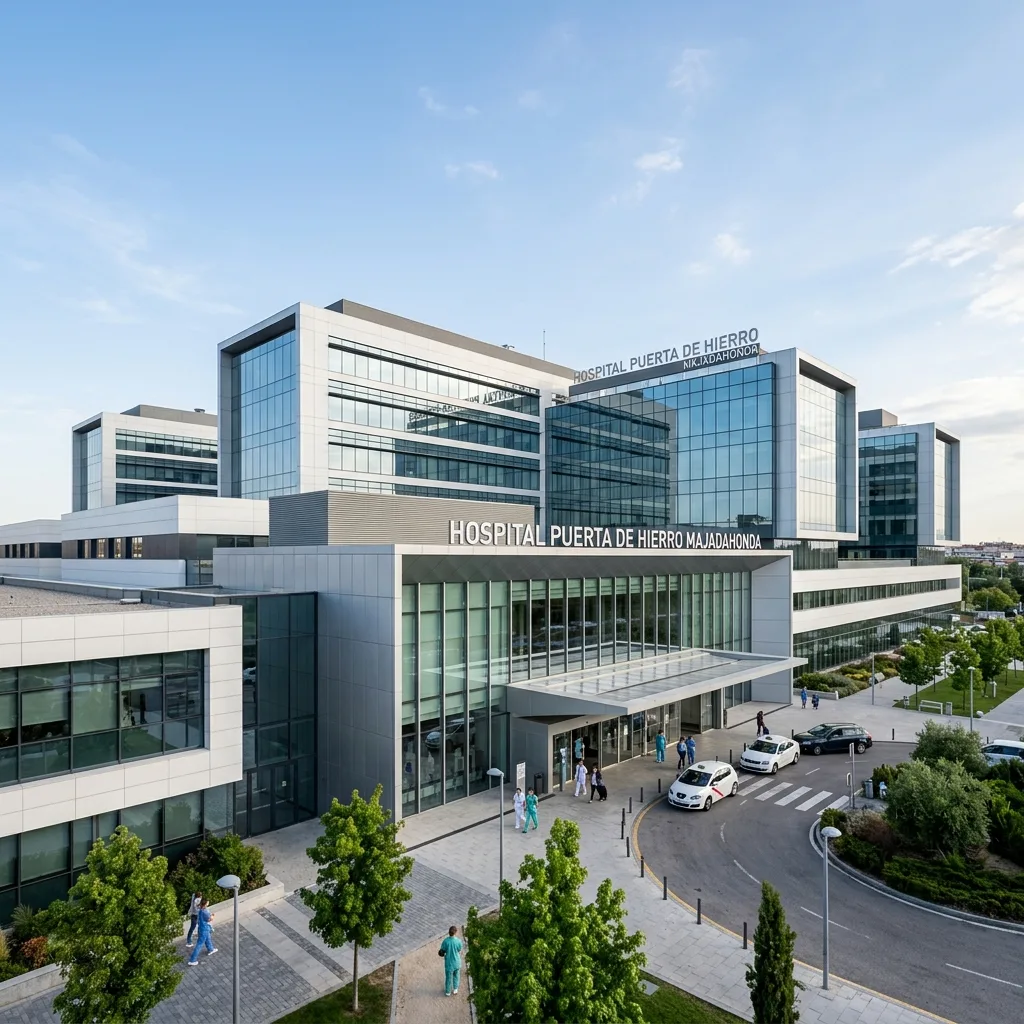 Tepic, Nayarit
Puerta de Hierro Hospital
High-specialty hospital and member of the region's most prominent medical network. Provides international-level infrastructure and comprehensive tertiary medical support.
- High-specialty surgical blocks
- State-of-the-art Intensive Care
- Accredited by the General Health Council
- International hospital safety standards
Personalized Evaluation
Start your consultation and evaluation. Tell us about your case, and we will coordinate your medical appointment.
Consultation: MX$900
Assessment Request Received!
Thank you for your trust. Our medical team will review your information and get back to you shortly during our business hours.
Medical Review: Content prepared under the supervision and approval of Dr. Uriel Muñoz, Plastic Surgeon certified by the Mexican Board of Plastic, Aesthetic and Reconstructive Surgery (CMCPER Board Certification #2585). Last medical review: July 8, 2026.
This information is educational and does not replace a medical consultation. Individual results, recovery, risks, and recommendations vary by patient.
Scientific Sources & Reference Guidelines: American Society of Plastic Surgeons (ASPS) - Fat Transfer Breast Augmentation; Mayo Clinic - Lipofilling safety; CMCPER.