
Areolaplasty in Puerto Vallarta
Areola Surgery: proportion, symmetry, and harmony
Outpatient surgical reduction of enlarged areolas and/or hypertrophic nipples, achieving a natural and balanced breast aesthetic.

What is Areola Reduction?
Areola reduction (areolaplasty) and nipple reduction is a minor surgery that modifies the diameter, projection, and shape of the nipple-areola complex.
Our philosophy prioritizes respect for aesthetic proportions and sensation. A harmonious areolar diameter typically ranges from 3.5 to 4.5 centimeters, adapting in balance with the overall size of the breast. We avoid excessive resections that could distort the natural circular shape of the areola or compromise the blood supply of the central nipple.
The goal is to achieve a nipple-areola complex that is symmetrical, compact, and proportionate to the shape and projection of your breasts.
What changes
- ✓Reduction in the diameter of stretched areolas
- ✓Shortening of long, hypertrophic nipples
- ✓Overall beauty and symmetry between both breasts
What does not change
- •The height or position of the breast on your chest (sagging)
- •The fatty or glandular volume of the breast
- •The complete absence of fine periareolar scars
What does the procedure include?
The rejuvenation of the nipple-areola complex is planned by analyzing each aesthetic element:
Round Block (Donut) Technique
Circular removal of the excess outer pigmented skin. A special permanent purse-string suture is used to prevent the tissue from expanding again.
Resection and shortening
Partial wedge resection of the length of the long or hanging nipple to discreetly reduce its projection without compromising deep sensation.
Local Anesthesia
Minor surgery performed in under an hour under local anesthesia. You return home immediately afterward with no overnight hospital stay required.
* It is frequently combined with a breast lift (mastopexy) or breast reduction during the same surgery to optimize the final shape.
It might be right for you if...
- ✓Your areolas have stretched or widened disproportionately after pregnancy, breastfeeding, or aging.
- ✓Your nipples have a hypertrophic length or projection that causes uncomfortable friction with clothing or aesthetic dissatisfaction.
- ✓You have a noticeable difference in diameter between the areolas of both breasts.
- ✓You are in good general health and have realistic aesthetic expectations.
It is advisable to evaluate alternatives if...
- •You plan to breastfeed in the near future and require severe shortening of the nipple (which can damage milk ducts).
- •You have a minor, millimeter-level asymmetry in your areolas that does not justify surgical intervention.
- •You smoke actively and are not willing to stop smoking before and after the surgery.
How We Define Your Plan
An individualized clinical evaluation is essential. We assess the exact diameter of the areolas, the length of the nipples, and the skin elasticity of your breasts to design a natural and safe correction.
“We aim to achieve correct anatomical proportions. We measure each areola to align them symmetrically.”
We determine the exact amount of excess skin to remove to reach a target diameter of 3.5 to 4.5 cm.
We evaluate the projection of the hypertrophic nipple to determine the proper degree of shortening at its base.
We check that there are no active skin lesions on the areola or abnormal nipple discharge prior to surgery.
The Procedure, Explained Simply
A small circular incision at the transition of the areola color, making it nearly invisible.
A permanent internal support suture is placed to prevent the areola from expanding again over time.
Local anesthesia is used comfortably, and light sedation can be added if the patient prefers.
You return home immediately after the procedure with no hospital stay required.
Preparing for Your Surgery
Responsible preparation is essential to optimize surgical safety and facilitate a smooth, comfortable recovery.
Recovery Timeline
Recovery is fast. Wearing a soft support bra and avoiding friction are the primary care steps following areolaplasty.
Days 1 to 2 — Rest and Mild Pain Relief
Discomfort is minimal and easily managed with acetaminophen. You must avoid direct friction on the nipples and wear a comfortable cotton bra.Days 7 to 10 — Suture Removal
We remove the external sutures during your follow-up visit. The scar will look pink but very thin.Week 2 — Return to Work and Light Exercise
Normal office activities can be resumed. Walking is permitted, but high-impact exercise or jumping should be postponed for an additional week.Months 1 to 3 — Healing and Final Shape
The scar along the areola border fades significantly, blending into the natural skin color transition and becoming virtually unnoticeable.
Safety and Surgical Excellence
Every procedure is carried out under the highest quality standards, backed by solid medical training and official certifications.
CMCPER board certification, active member of AMCPER and ISAPS.
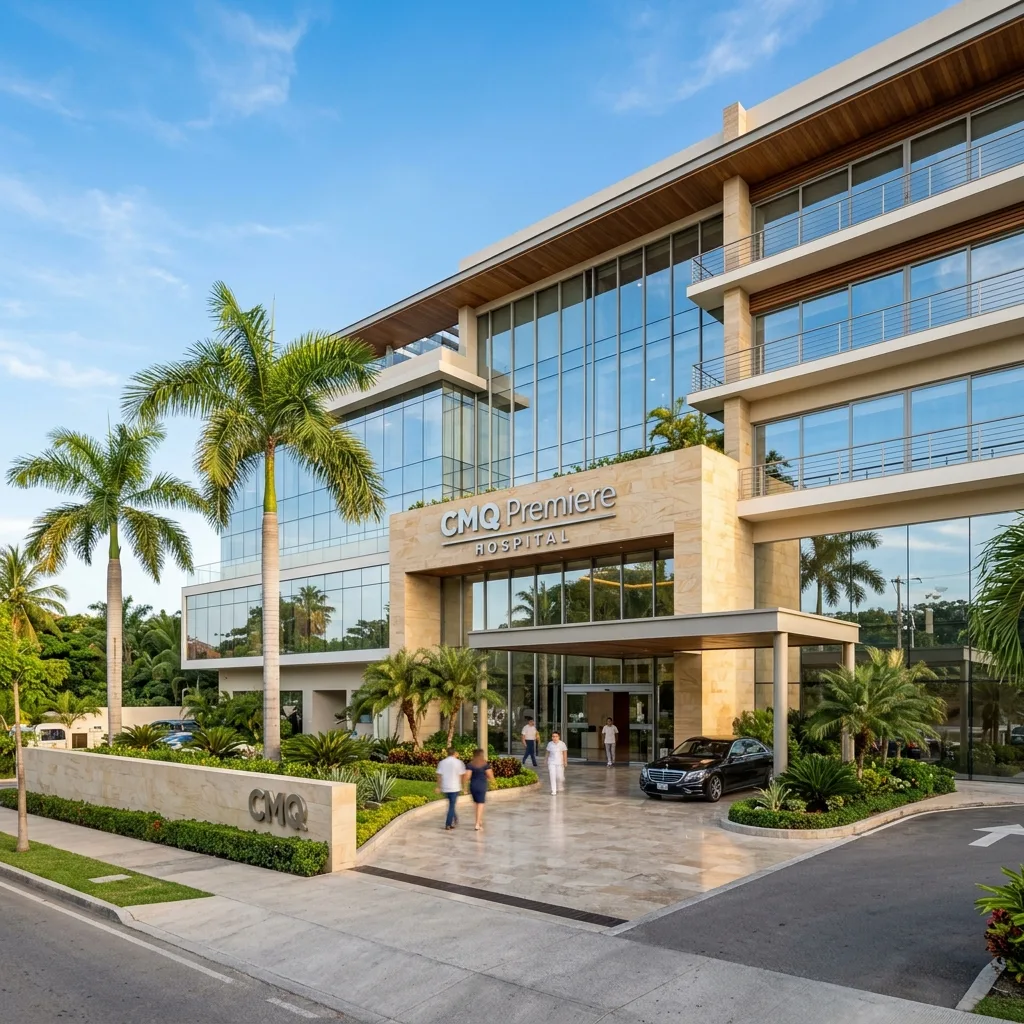
Surgeries performed at CMQ Premiere Hospital (PV) and Puerta de Hierro Hospital (Tepic).
A focused approach on achieving golden proportions in your breasts.
Incision at the color border of the areola to camouflage scars.
Wound healing checkups and medical support throughout your entire recovery.
Advanced techniques utilizing permanent internal support sutures.
Surgical Safety & Realistic Expectations
Like all facial and body aesthetic surgeries, areola and nipple reduction requires ethical clinical judgment. During the consultation, we review the skin structure and color, the presence of flat or inverted nipples, and your aesthetic goals to minimize risks and confirm if the surgery is appropriate for you.
An in-person clinical consultation determines the anatomical feasibility of your areolaplasty.
Care for Out-of-Town Patients
If you live outside the region or abroad, we facilitate your medical process through a preliminary virtual consultation and clinical coordination assistance provided by our dedicated team.
What is included
- ✓Guidance on appointment scheduling and medical agenda
- ✓Logistical support and preoperative clinical recommendations
What is not included
- •Flights and direct lodging bookings
- •Logistical services unrelated to clinical coordination
Areola Reduction Cost: What Determines the Budget
The cost of areola and nipple reduction should not be defined generically without a prior medical evaluation. Each surgical quote is individualized and corresponds to the specific requirements of your case.
During your clinical consultation, Dr. Uriel Muñoz will assess your anatomy and define a personalized surgical plan. The final cost of the procedure is determined by the following factors:
- •Whether only the areolar diameter is reduced, or if the height of a hypertrophic nipple is also shortened.
- •Combination with other major breast surgeries (e.g., breast lift or augmentation with implants).
- •Operating room fees and anesthesiologist fees (if applicable).
- •Surgical team fees and postoperative follow-up consultations.
Common Questions About Areola Reduction
World-Class Medical Infrastructure
For your peace of mind and medical safety, all surgical procedures are performed exclusively in certified hospitals with intensive care units and valid sanitary accreditation.
 Puerto Vallarta, Jalisco
CMQ Premiere Hospital
The most prestigious hospital facility in Puerto Vallarta for elective surgeries. Features premium amenities focused on patient comfort and comprehensive surgical safety.
- High-tech equipped surgical suites
- Fully equipped Intensive Care Unit (ICU)
- Nationally certified facilities
- Specialized bilingual medical staff
 Tepic, Nayarit
Puerta de Hierro Hospital
High-specialty hospital and member of the region's most prominent medical network. Provides international-level infrastructure and comprehensive tertiary medical support.
- High-specialty surgical blocks
- State-of-the-art Intensive Care
- Accredited by the General Health Council
- International hospital safety standards
Personalized Consultation
Begin your consultation and evaluation. Tell us about your case, and we will coordinate your medical appointment.
Consultation: MX$900
Assessment Request Received!
Thank you for your trust. Our medical team will review your information and get back to you shortly during our business hours.
Medical Review: Content developed under the supervision and approval of Dr. Uriel Muñoz, a plastic surgeon certified by the Mexican Board of Plastic, Aesthetic, and Reconstructive Surgery (CMCPER Registry #2585). Last medical review: July 8, 2026.
This information is educational and does not replace a medical consultation. Individual results, recovery, risks, and recommendations vary by patient.
Scientific Sources & Reference Guidelines: American Society of Plastic Surgeons (ASPS) - Areola Reduction / Areolaplasty guides; Mayo Clinic - Breast & Nipple Surgery patient info; CMCPER.