
Calf Implants in Puerto Vallarta, Mexico
Calf Augmentation: volume, symmetry, and definition
Enhance the volume and projection of thin or asymmetrical legs through the precise subfascial placement of premium silicone implants with an anatomical consistency.

What is calf augmentation?
Calf augmentation is a lower limb contouring plastic surgery that utilizes silicone implants or fat grafting to add volume and definition to thin legs.
Our philosophy prioritizes precise anatomical subfascial placement. Rather than placing the implant loosely beneath the skin, a precise surgical pocket is created immediately under the fascia of the gastrocnemius muscle (inner calf). This provides a protective muscular cushion that conceals the implant to the touch and prevents unwanted rotation during movement.
The goal is to achieve a toned, muscular contour in the calves, correcting constitutional imbalances (thin legs resistant to hypertrophy at the gym) or prior muscle volume deficiencies.
What it can change
- ✓Increased diameter and volume in the inner calf
- ✓A more athletic, symmetrical, and projected appearance of the legs
- ✓Correction of severe congenital or pathological asymmetries
What it cannot change
- •Actual muscle strength of the calf for athletic performance
- •Ankle volume or the bone structure of the tibia
- •The presence of a fine scar behind the knee
What does the plan include?
Calf shaping and volume enhancement are planned by selecting the optimal technique:
Solid Elastomer Implants
Placement of firm, leg-specific implants. They feature elongated, symmetrical shapes that replicate natural calf muscle mass.
Autologous Fat Grafting
For moderate asymmetry or patients who prefer not to have implants, we transfer processed fat harvested from other areas of the body to the calves.
Coverage & Protection
Accessed through a 4 cm incision in the popliteal fold, placing the implant firmly under the calf fascia so it is not palpable.
* Wearing medical-grade compression stockings during the first month is essential to manage swelling in the lower legs.
This procedure may be right for you if...
- ✓You have constitutionally thin legs ('chicken legs') that do not gain volume despite intense exercise.
- ✓You experience significant asymmetry between your legs due to congenital conditions like clubfoot or managed neurological issues.
- ✓You are willing to wear shoes with a low heel or wedge during the first postoperative week to relax the calf muscles.
- ✓You are in good general health and hold realistic aesthetic expectations.
It is best to evaluate alternatives if...
- •You have severe varicose veins or active peripheral venous insufficiency in your legs (which requires prior vascular evaluation).
- •You are unable or unwilling to suspend high-impact leg training (running, cycling) for the first 6 weeks.
- •You actively smoke and do not wish to quit nicotine, which significantly increases the risk of capsular contracture or wound healing issues in the popliteal crease.
How we design your plan
An individualized clinical consultation is essential. During this evaluation, we measure your calf contours, assess gastrocnemius muscle tone, and rule out any venous return issues to plan a safe implant placement.
“We aim to restore harmony to your legs. We select the ideal implant shape and volume so the result looks proportioned and natural.”
We measure the upper, middle, and lower thirds of the leg to determine the appropriate implant volume (cc).
We assess the strength of the fascia covering the inner calf muscle to ensure there is adequate protective coverage.
We verify the absence of severe varicose veins or active circulatory concerns before proceeding.
The procedure, explained simply
A small 4 cm incision carefully hidden in the natural fold behind the knee.
The solid implant is carefully positioned beneath the fascia of the inner calf.
Performed comfortably using an epidural block in the lower back combined with sedation.
Requires a few hours of rest in the recovery suite, allowing you to return home the same day.
Preparing for your surgery
Responsible preparation is essential to optimize surgical safety and facilitate a smooth, comfortable postoperative recovery.
Recovery timeline
Walking during the first few days may be uncomfortable due to tightness in the calf; relaxing the muscles with wedge footwear is essential.
Days 1 to 3 — Bed rest and leg elevation
Calves will feel tight and stiff, similar to the soreness after extreme physical exertion. You must rest in bed and keep your legs elevated on pillows.Days 7 to 10 — Removal of popliteal sutures
Sutures in the fold behind the knee will be removed. You can begin taking longer, smoother steps while wearing 2 cm wedge shoes.Week 3 — Return to work and normal walking
Resume light office work and short walks without special footwear. Compression stockings must continue to be worn during the day.Week 6 — Athletic clearance and stabilized volume
Tissues have fully healed and integrated. Gym workouts, running routines, and weighted leg exercises may be resumed.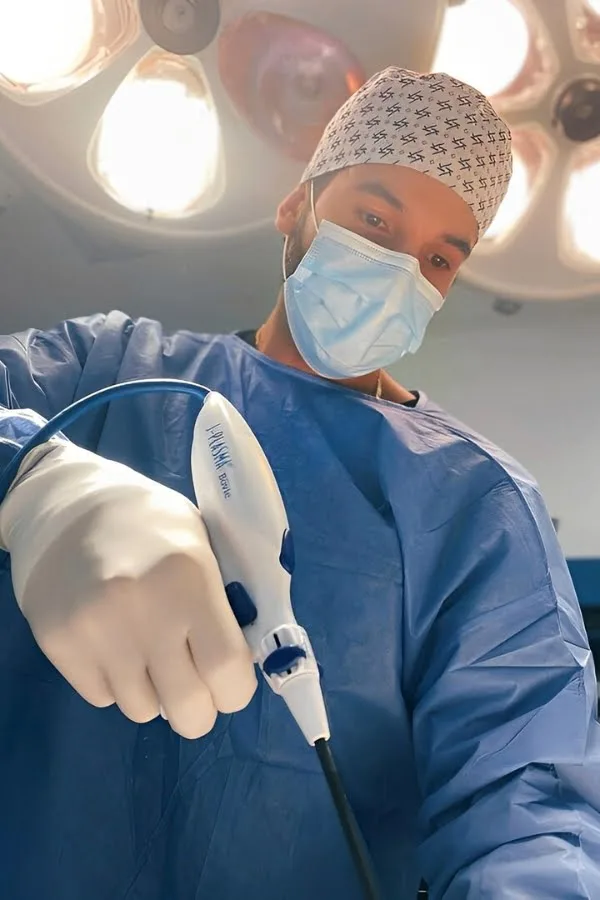
Safety and Surgical Excellence
Each procedure is performed under the highest medical standards, backed by solid clinical training and official certifications.
Certified by CMCPER and an active member of AMCPER and ISAPS.
Surgeries performed at CMQ Premiere Hospital (PV) and Puerta de Hierro (Tepic).
Deep placement of the implant under the muscle fascia for natural contour and touch.
High-strength, solid silicone elastomer implants specifically designed for calves.
Personalized recovery checks and constant medical guidance throughout recovery.
A small 4 cm incision disguised naturally within the folds of the knee.
Surgical safety and realistic expectations
As with any body contouring surgery, calf augmentation requires an ethical medical evaluation. During your consultation, we evaluate muscle elasticity, fascial laxity, and circulatory history to mitigate risks and confirm if you are a suitable candidate.
An in-person clinical evaluation is required to determine the anatomical feasibility of your calf augmentation.
Assistance for out-of-town patients
If you live outside the region or abroad, we facilitate your surgical journey through a preliminary virtual consultation and clinical guidance coordinated by our designated team.
What it includes
- ✓Guidance through scheduling and medical appointments
- ✓Preoperative clinical and logistical recommendations
What it does not include
- •Flights and direct lodging bookings
- •Logistical services outside of medical coordination
Calf augmentation cost: what determines the price
The cost of calf augmentation cannot be defined generically or without a prior medical evaluation. Every surgical quote is customized and based on the unique needs of your procedure.
During your clinical evaluation, Dr. Uriel Muñoz will examine your anatomy and design a customized surgical plan. The final price of the procedure is determined by the following factors:
- •Use of solid silicone elastomer implants vs. fat grafting.
- •Brand and volume (cc) of the required implants.
- •Operating room fees and anesthesiologist services.
- •Surgical team fees and follow-up consultation visits.
Common questions about calf implants
World-Class Medical Infrastructure
For your peace of mind and medical safety, all surgical procedures are performed exclusively in certified hospitals with intensive care units and valid sanitary accreditation.
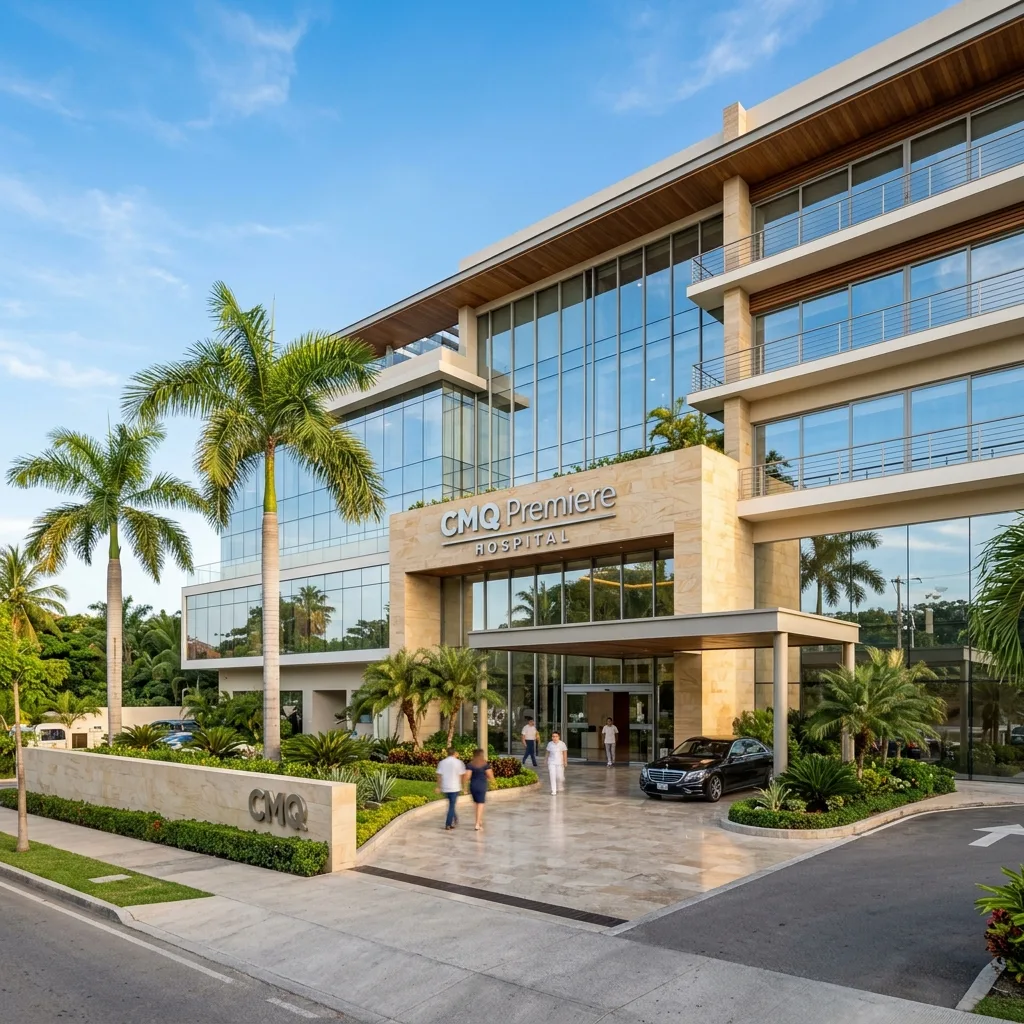 Puerto Vallarta, Jalisco
CMQ Premiere Hospital
The most prestigious hospital facility in Puerto Vallarta for elective surgeries. Features premium amenities focused on patient comfort and comprehensive surgical safety.
- High-tech equipped surgical suites
- Fully equipped Intensive Care Unit (ICU)
- Nationally certified facilities
- Specialized bilingual medical staff
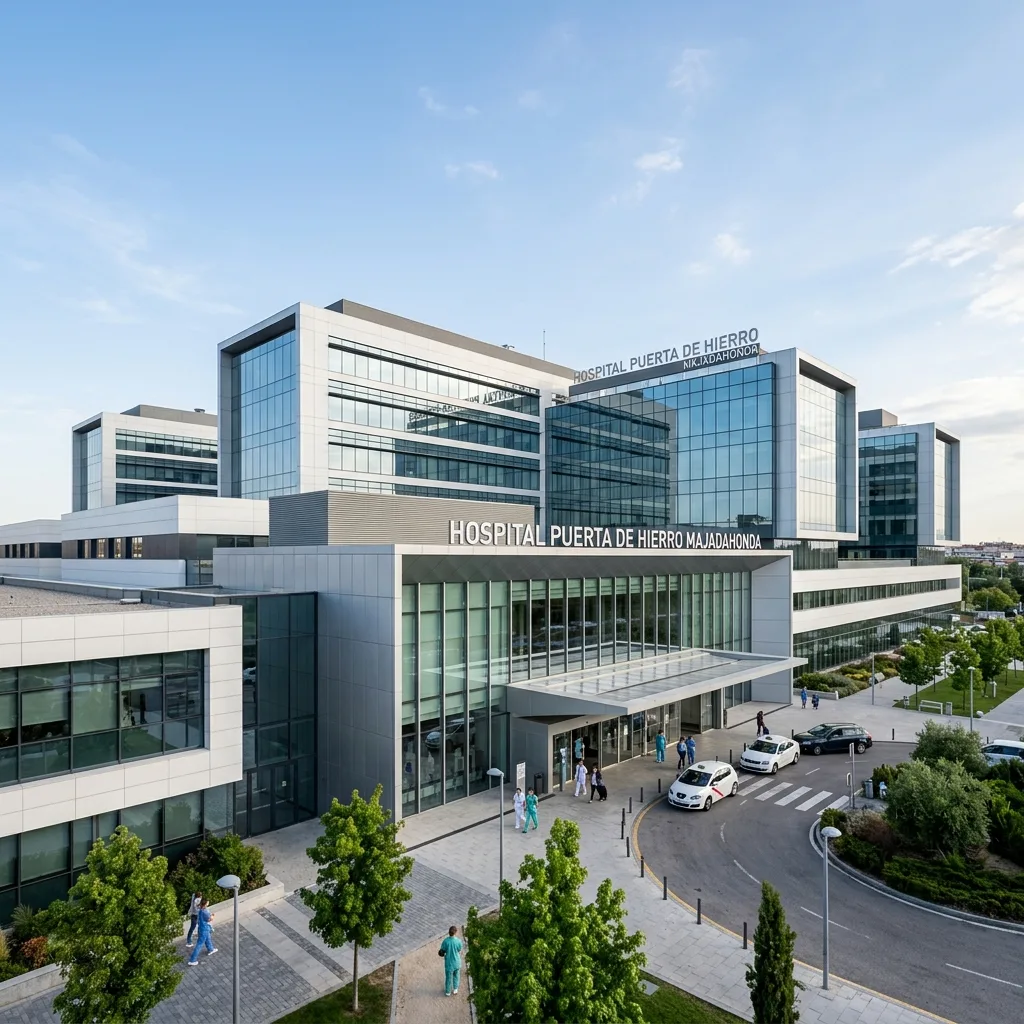 Tepic, Nayarit
Puerta de Hierro Hospital
High-specialty hospital and member of the region's most prominent medical network. Provides international-level infrastructure and comprehensive tertiary medical support.
- High-specialty surgical blocks
- State-of-the-art Intensive Care
- Accredited by the General Health Council
- International hospital safety standards
Personalized Consultation
Begin your consultation process. Share the details of your case, and our team will coordinate your evaluation.
Consultation: MX$900
Assessment Request Received!
Thank you for your trust. Our medical team will review your information and get back to you shortly during our business hours.
Medical Review: Content developed under the supervision and approval of Dr. Uriel Muñoz, a board-certified plastic surgeon in Mexico (CMCPER Registration #2585). Last medical review: July 8, 2026.
Scientific Sources & Clinical Reference Guidelines: American Society of Plastic Surgeons (ASPS) - Calf Augmentation / Implants info; Mayo Clinic - Calf implant clinical guidelines; CMCPER.
This information is educational and does not replace a medical consultation. Individual results, recovery, risks, and recommendations vary by patient.