
Facelift in Puerto Vallarta
Facelift: Natural Rejuvenation and Firmness
Deep repositioning of the facial muscular system (SMAS) and removal of excess loose skin from the face and neck, restoring youthful contours without altering your natural expression.

What is a facelift?
A facelift, or rhytidectomy, is a major surgical procedure designed to reposition sagging deep structures of the face and neck, removing excess loose skin.
Our surgical philosophy focuses on the repositioning of the SMAS plane (Superficial Musculoaponeurotic System). Facial aging does not just stretch the skin; it displaces the underlying muscles and fat. We avoid the outdated approach of simply pulling the skin tight to the sides—which created an unnatural, 'windblown' look—and prioritize lifting and securing the deep muscles to their original position. This achieves a natural, firm, and long-lasting result.
We aim to subtly restore the clean contours and angles of the jawline and neck, respecting your unique physiognomy and facial expression.
What it improves
- ✓Repositions sagging cheeks and cheekbones
- ✓Defines the jawline (improves jowls)
- ✓Removes neck sagging (platysmal bands)
What it does not improve
- •Loss of skin quality or surface blemishes/spots
- •Fine expression lines around the lips (smoker's lines)
- •Lip volume, which requires specific fillers
What does the plan typically include?
Facial rejuvenation is planned by thirds based on individual patient needs:
Cheek Lift (SMAS)
Muscle repositioning of the deep SMAS plane and repositioning of malar fat to smooth deep nasolabial folds.
Jawline Definition
Removal of loose skin accumulated along the jawline (jowls), restoring a straight, clean, and firm contour.
Structural Cervicoplasty
Tightening of the platysma muscle (cervical corset) and removal of excess neck skin to resolve a double chin and vertical bands.
* It can be safely combined with blepharoplasty or autologous fat transfer to restore lost facial volume.
You may be a candidate if...
- ✓You have a noticeable loss of jawline definition and excess loose skin on the cheeks.
- ✓The neck shows significant sagging or hanging vertical muscle bands.
- ✓Non-surgical aesthetic treatments (threads, fillers) no longer provide sufficient support.
- ✓You are a non-smoker or are willing to quit completely for the recommended period for your safety.
We should evaluate alternatives if...
- •Facial sagging is mild or early-stage; at this phase, collagen biostimulators or high-intensity focused ultrasound (HIFU) are better preventive options.
- •You are an active smoker unable to suspend smoking or vaping (very high risk of circulatory complications in facial skin).
- •You have unrealistic expectations or seek to radically alter your native facial features.
How we define your plan
The preoperative evaluation is comprehensive. During this consultation, we assess the laxity of your SMAS plane, skin elasticity, and facial fat deposits to design a natural and safe lift.
“We aim to refresh the face by eliminating visual heaviness. We reposition the deep muscles so that the skin rests naturally without tension.”
We determine the ideal tension vector to vertically reposition the deep musculature.
We check the platysma muscle tone to plan whether a medial plication (cervicoplasty) is required via an incision under the chin.
We design the placement of incisions around the ear tragus and sideburn to keep them completely concealed.
The procedure, explained simply
They are located along the hairline and around the ear cartilage, becoming nearly invisible as they heal.
The deep internal muscular structure is lifted and secured, avoiding flat traction or stretching of the facial skin.
For the patient's maximum safety and comfort, it is performed in a hospital under controlled general anesthesia.
It commonly requires spending the first night (24 hours) in the hospital for close postoperative monitoring.
Preparing for your surgery
Strictly following preoperative guidelines is critical to ensure proper blood supply to the facial skin and facilitate the healing process.
Recovery process
A facelift is a major surgery that requires a patient recovery period. Facial swelling resolves steadily over the following days.
Days 1 to 3 — Hospital Care and Dressing
The initial compressive dressing and soft drains are removed during a checkup before final discharge. Some swelling and temporary numbness in the cheeks are normal.Days 7 to 10 — Suture Removal
Most exposed sutures around the ear are removed at our office. Acute facial swelling begins to subside.Weeks 2 to 3 — Return to Daily Activities
Swelling and bruising typically decrease significantly (subject to individual variation). Patients can return to normal work and social meetings using light makeup and sun protection.Months 3 to 6 — Final Results
Residual swelling of the soft tissues resolves completely, scars soften, and the rejuvenated facial contour settles according to individual healing.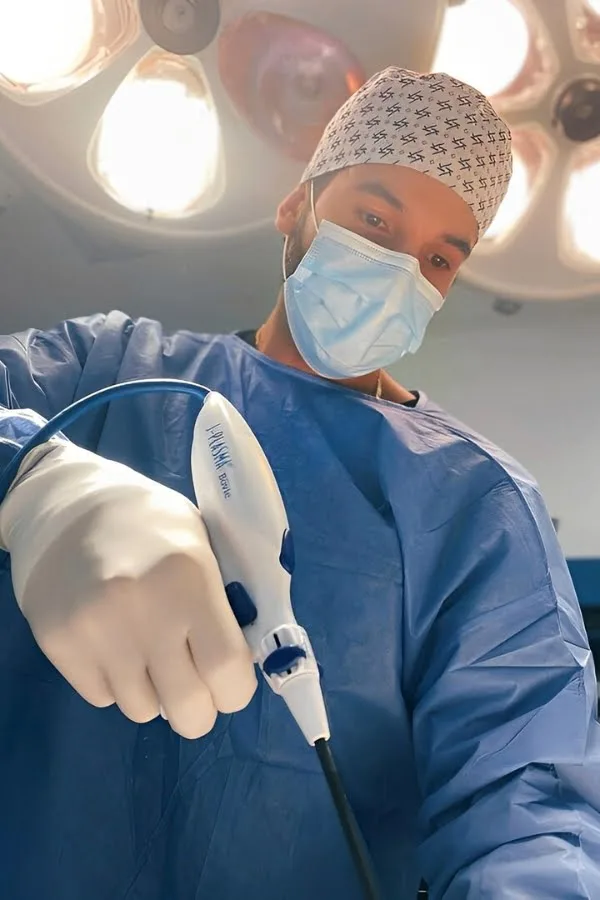
Safety and surgical excellence
Each procedure is performed under the highest quality standards, backed by solid medical training and official certifications.
CMCPER certified, active member of AMCPER and ISAPS.
Surgeries at CMQ Premiere Hospital (PV) and Puerta de Hierro Hospital (Tepic).
Focus on natural-looking, proportional results tailored to your face.
Detailed anatomical study of facial aesthetics and structures.
Healing checkups and direct medical support throughout your recovery.
Advanced approaches and deep SMAS repositioning for natural results.
Surgical safety and realistic expectations
Like any major surgical procedure, a facelift requires a rigorous clinical evaluation. During your preoperative consultation, we evaluate your medical history, bone structure, and skin health to mitigate risks and confirm if surgery is the appropriate path for you.
An individualized clinical evaluation defines the anatomical feasibility of your facial rejuvenation goals.
Coordination for out-of-town patients
If you live outside the region or abroad, we facilitate your surgical process through a preliminary virtual consultation and clinical coordination support provided by our team.
What is included
- ✓Guidance through appointment flows and medical scheduling
- ✓Logistical recommendations and preoperative clinical guidelines
What is not included
- •Flights and direct lodging bookings
- •Logistical services outside of clinical coordination
Facelift cost: what determines the estimate?
The cost of a facelift should not be defined in a generic manner or without a prior medical evaluation. Every surgical estimate is individualized and based on the specific needs of your case.
During your consultation, Dr. Uriel Muñoz will assess your anatomy and define a tailored surgical plan. The final estimate for the procedure is determined based on the following factors:
- •Extent of the surgery (mini facelift vs. full face and neck lift).
- •Complexity of the tissues and whether it is combined with fat transfer or blepharoplasty.
- •Operating room fees and hospital stay (typically 24 hours).
- •Surgical team fees and type of general anesthesia.
Common questions about facelift surgery
World-Class Medical Infrastructure
For your peace of mind and medical safety, all surgical procedures are performed exclusively in certified hospitals with intensive care units and valid sanitary accreditation.
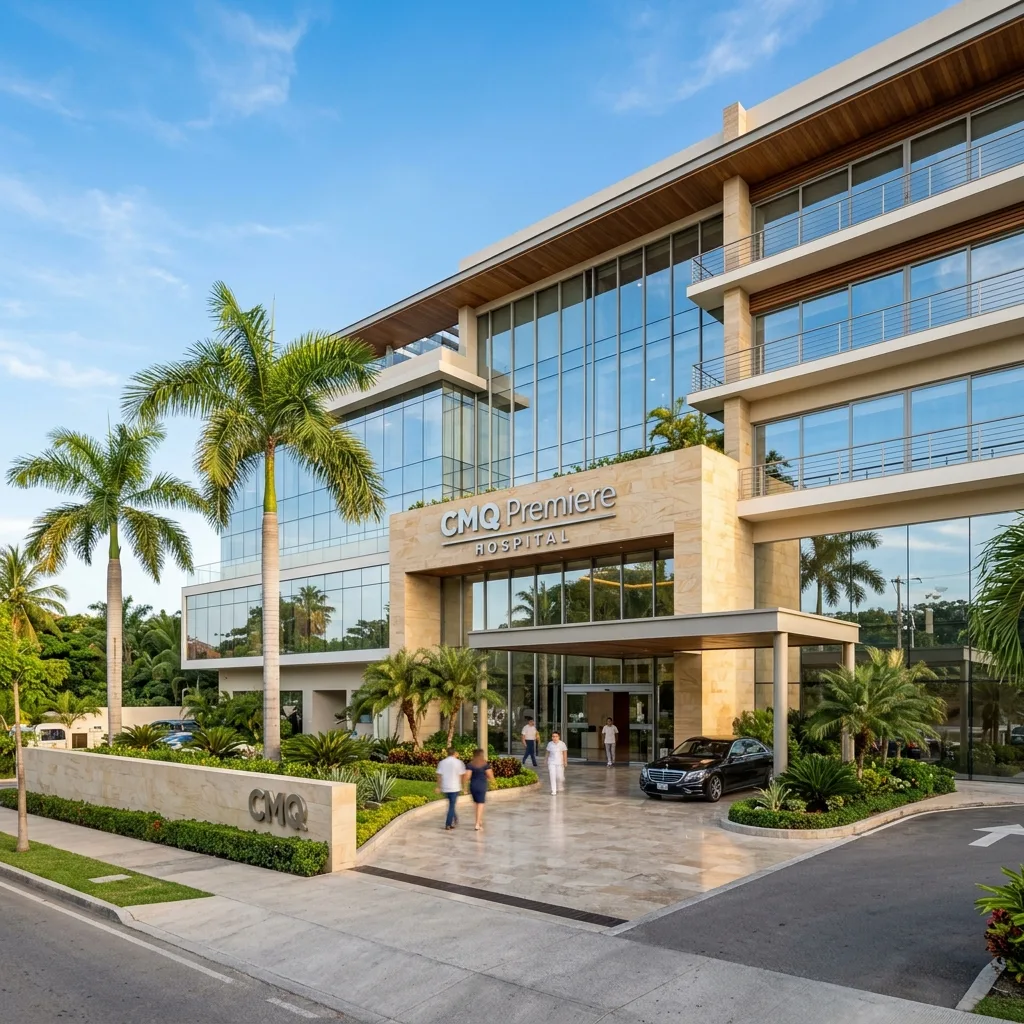 Puerto Vallarta, Jalisco
CMQ Premiere Hospital
The most prestigious hospital facility in Puerto Vallarta for elective surgeries. Features premium amenities focused on patient comfort and comprehensive surgical safety.
- High-tech equipped surgical suites
- Fully equipped Intensive Care Unit (ICU)
- Nationally certified facilities
- Specialized bilingual medical staff
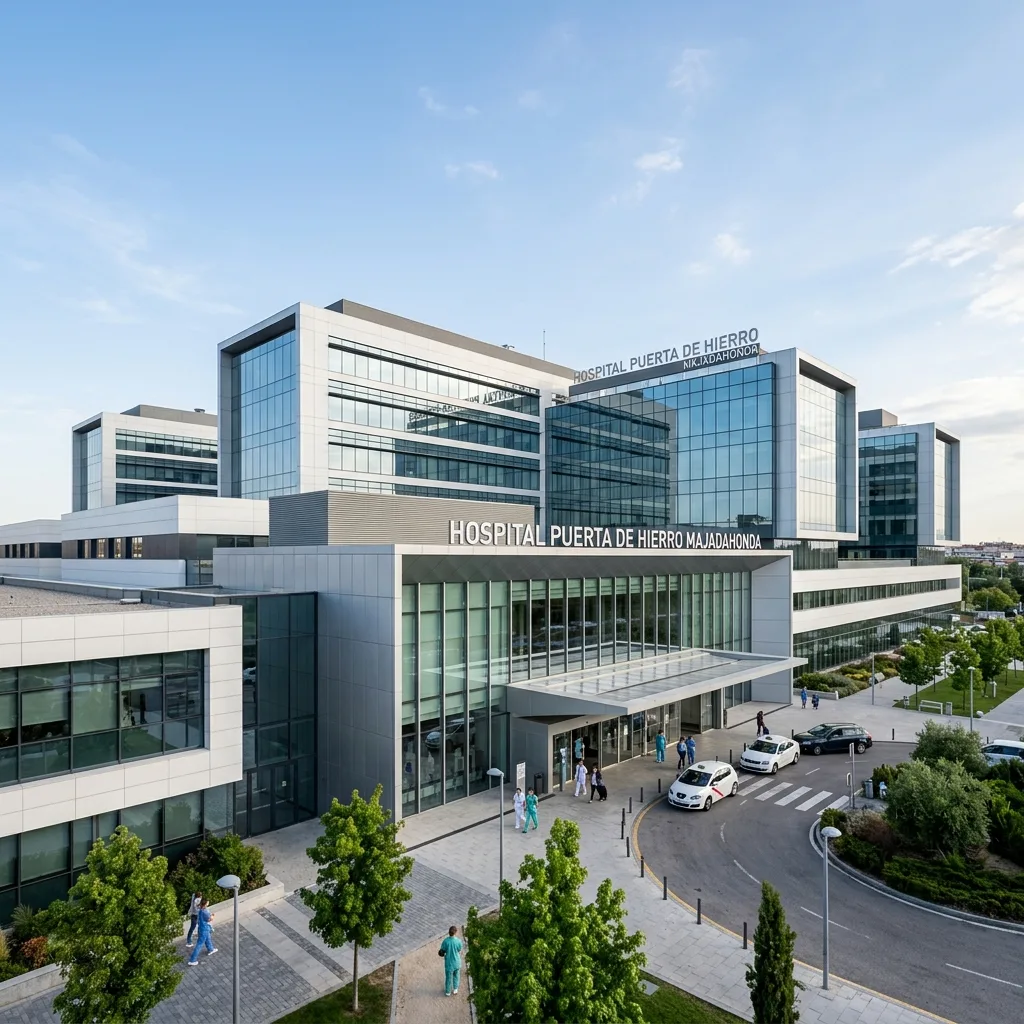 Tepic, Nayarit
Puerta de Hierro Hospital
High-specialty hospital and member of the region's most prominent medical network. Provides international-level infrastructure and comprehensive tertiary medical support.
- High-specialty surgical blocks
- State-of-the-art Intensive Care
- Accredited by the General Health Council
- International hospital safety standards
Personalized Consultation
Start your consultation and assessment. Tell us about your case and we will coordinate your medical appointment.
Consultation: MX$900
Assessment Request Received!
Thank you for your trust. Our medical team will review your information and get back to you shortly during our business hours.
Medical Review: Content prepared under the supervision and approval of Dr. Uriel Muñoz, board-certified plastic surgeon by the Mexican Board of Plastic, Aesthetic and Reconstructive Surgery (CMCPER Registration #2585). Last medical review: July 8, 2026.
Scientific Sources and Reference Clinical Guidelines: American Society of Plastic Surgeons (ASPS) - Facelift Surgery safety & candidates; Mayo Clinic - Facelift; CMCPER.
* This information is educational and does not replace a medical consultation. Individual results, recovery, risks, and recommendations vary by patient.