
Ear Surgery in Puerto Vallarta, Mexico
Otoplasty: proportion and symmetry for the ears
Surgical reshaping and repositioning of prominent or protruding ears, achieving a more natural, symmetrical, and closer position to the head without visible scars on your face.
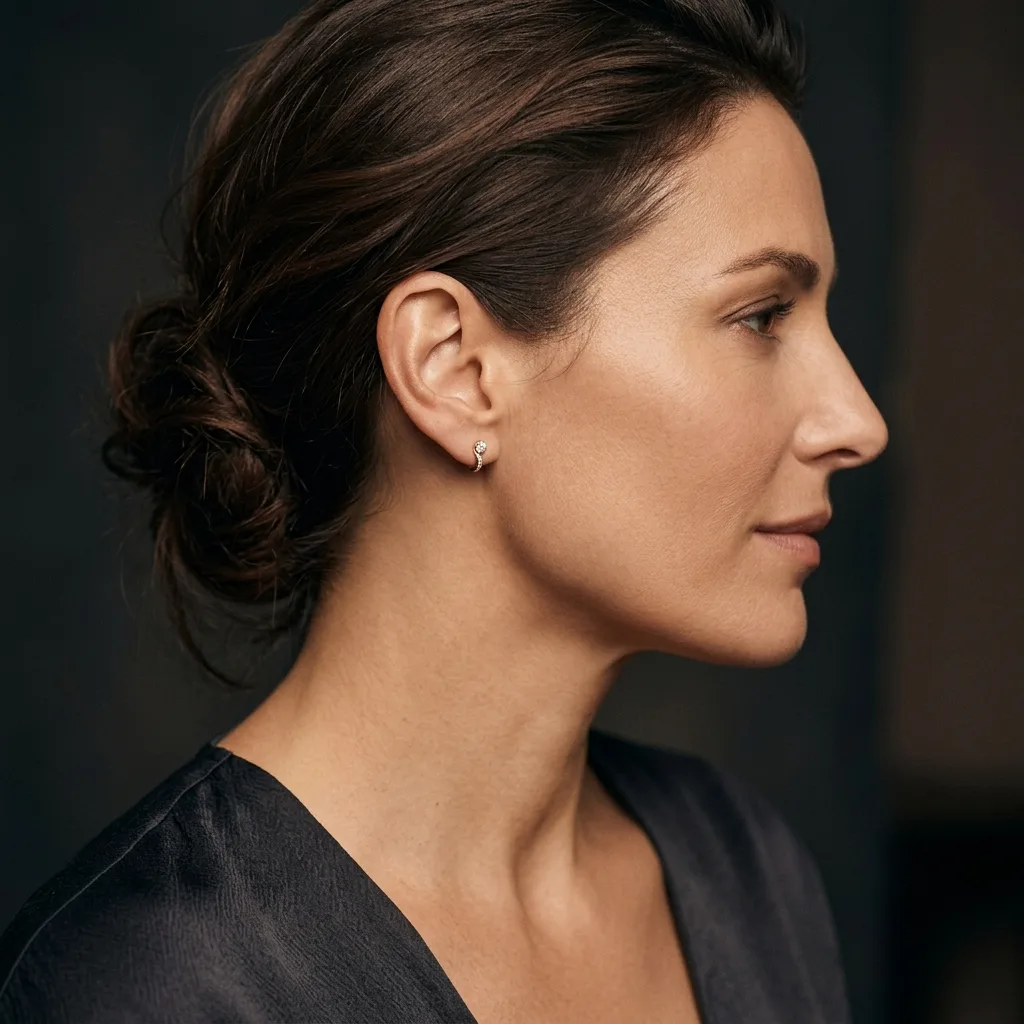
What is otoplasty?
Otoplasty is a cosmetic and reconstructive surgical procedure designed to modify the shape, size, and projection of prominent or protruding ears.
Our philosophy prioritizes the anatomical sculpting of the cartilage. Prominent ears usually occur due to a lack of fold in the cartilage (antihelix) or an overdevelopment of the ear concha. We avoid aggressive, blunt cartilage resection methods and prefer to sculpt, control-weaken, and suture the patient's own cartilage with permanent stitches, stably fixing it into its natural position.
The goal is to achieve well-proportioned ears that maintain a natural distance and angle relative to the head, eliminating severe asymmetry without visible scars on the exposed skin.
What it can change
- ✓Projection and proximity of the ear to the head
- ✓Definition of the internal cartilage fold (antihelix)
- ✓Overall visual size and proportion of the ears
What it cannot change
- •Hearing capacity or the internal hearing canal
- •100% exact mathematical symmetry of both ears
- •Permanent deep sensation/feeling of the ear
What does the surgical plan typically include?
Conventional otoplasty is performed through the following steps:
Post-auricular incision
A small vertical incision is made in the crease behind the ear. Located in the natural fold, the scar remains completely hidden from view.
Sculpting and contouring
Manual reshaping of the cartilage structure using specialized instruments, folding it back to bring it symmetrically closer to the head.
Permanent sutures
Placement of permanent biocompatible internal sutures that hold the cartilage in its new shape and final position as it heals.
* No external implants are required. The procedure works solely by modifying and rearranging the patient's own cartilage.
You may be a candidate if...
- ✓Your ears appear protruding or prominent relative to the skull in an asymmetrical manner.
- ✓Ear development is nearly complete (usually at 5 or 6 years of age and older).
- ✓You or your child experience self-consciousness or social distress due to the shape of the ears.
- ✓You are in good general health and have realistic expectations regarding symmetry.
It is best to evaluate alternatives if...
- •The patient is under 5 years of age; at this stage, the cartilage is extremely soft and the ear structure is still actively growing.
- •You have an extremely subtle, millimeter-level asymmetry that does not justify the risks of surgery.
- •You have severe bleeding disorders or active skin infections on or around the ear.
How we define your plan
An individualized clinical consultation is essential. During this visit, we analyze the angle of your ears, cartilage thickness, and earlobe symmetry to design a natural and safe correction.
“We aim to achieve correct anatomical proportions. Each ear is measured precisely to position it symmetrically.”
We measure the distance from the ear to the skull to plan the projection of the helix and lobe.
We assess the thickness and stiffness of the cartilage to select the most appropriate permanent internal suture points.
We plan the anesthesia method based on the patient's age: general anesthesia for young children or local anesthesia in an office setting for adults.
The procedure, explained simply
A small incision in the crease behind the ear, completely invisible from the front.
Internal support stitches are placed to ensure the cartilage retains its new shape long-term.
Local anesthesia with light sedation for adults. General anesthesia is preferred for children's comfort.
Outpatient procedure; you return to your hotel or home the same day after a few hours of recovery.
Preparing for your surgery
Responsible preparation is essential to optimize surgical safety and facilitate a smooth, comfortable postoperative recovery.
Recovery timeline
Recovery from otoplasty is highly manageable. The primary care requirement is wearing the elastic headband to prevent accidental folding of the cartilage.
Days 1 to 3 — Initial dressing removal
We remove the thick compression bandage placed in the operating room. Continuous use of the elastic headband begins. Ear swelling is normal and expected.Days 7 to 10 — Suture removal
We remove the external stitches behind the ear during a follow-up appointment. Acute swelling subsides significantly.Week 2 — Back to work and school
You can return to school or office work. The headband can be removed during the day but must still be worn for sleeping for two additional weeks to protect the ears.Month 1 onward — Final natural result
The ears settle permanently into their new symmetrical position, showing a natural and proportional contour.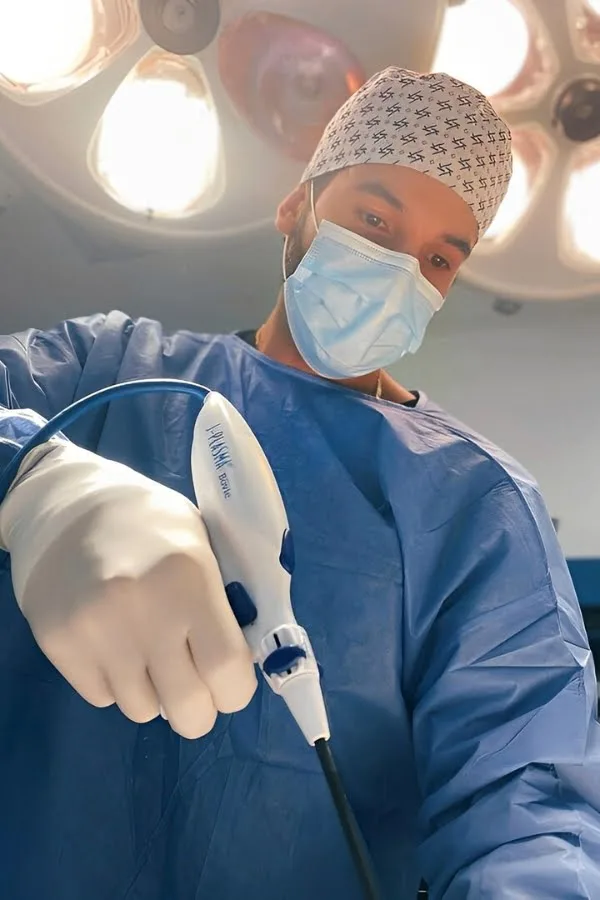
Safety and surgical excellence
Every procedure is carried out under the highest quality standards, backed by solid academic training and official board certifications.
CMCPER-certified plastic surgeon, active member of AMCPER and ISAPS.
Hospital-based surgeries at Hospital CMQ Premiere (PV) and Puerta de Hierro (Tepic).
Focused on achieving proportional, natural-looking results for your face.
Detailed anatomical assessment of ear shape and facial harmony.
Regular wound-healing checks and medical support throughout your recovery.
No implants or prosthetics; precise contouring of the patient's own cartilage.
Surgical safety & realistic expectations
Like any facial plastic surgery, otoplasty requires ethical clinical judgment. During your surgical evaluation, we assess the structure and thickness of your cartilage, the symmetry of your earlobes, and the repositioning goals to minimize risks and confirm if surgery is appropriate for you.
An in-person clinical evaluation is the only way to determine the anatomical feasibility of your otoplasty.
Support for out-of-town patients
If you live outside the region or abroad, we facilitate your surgical journey through a preliminary virtual consultation and clinical coordination support provided by our dedicated team.
What's included
- ✓Guidance with appointment scheduling and clinical booking
- ✓Preoperative medical guidelines and local recommendations
What's not included
- •Flight bookings and direct hotel reservations
- •Non-medical logistics or travel services
Cost of otoplasty: what defines the budget
The cost of ear surgery should not be defined generically or without a previous medical evaluation. Every surgical budget is individualized and based on the specifics of your case.
During your consultation, Dr. Uriel Muñoz will evaluate your anatomy and define a tailored surgical plan. The final cost of the procedure is determined by the following factors:
- •Complexity of the condition (prominent ears, torn earlobes, or reconstructive needs).
- •Patient age (which dictates the required type of anesthesia and operating room setup).
- •Hospital operating room fees and facility costs.
- •Medical team fees and included follow-up visits.
Common questions about otoplasty
World-Class Medical Infrastructure
For your peace of mind and medical safety, all surgical procedures are performed exclusively in certified hospitals with intensive care units and valid sanitary accreditation.
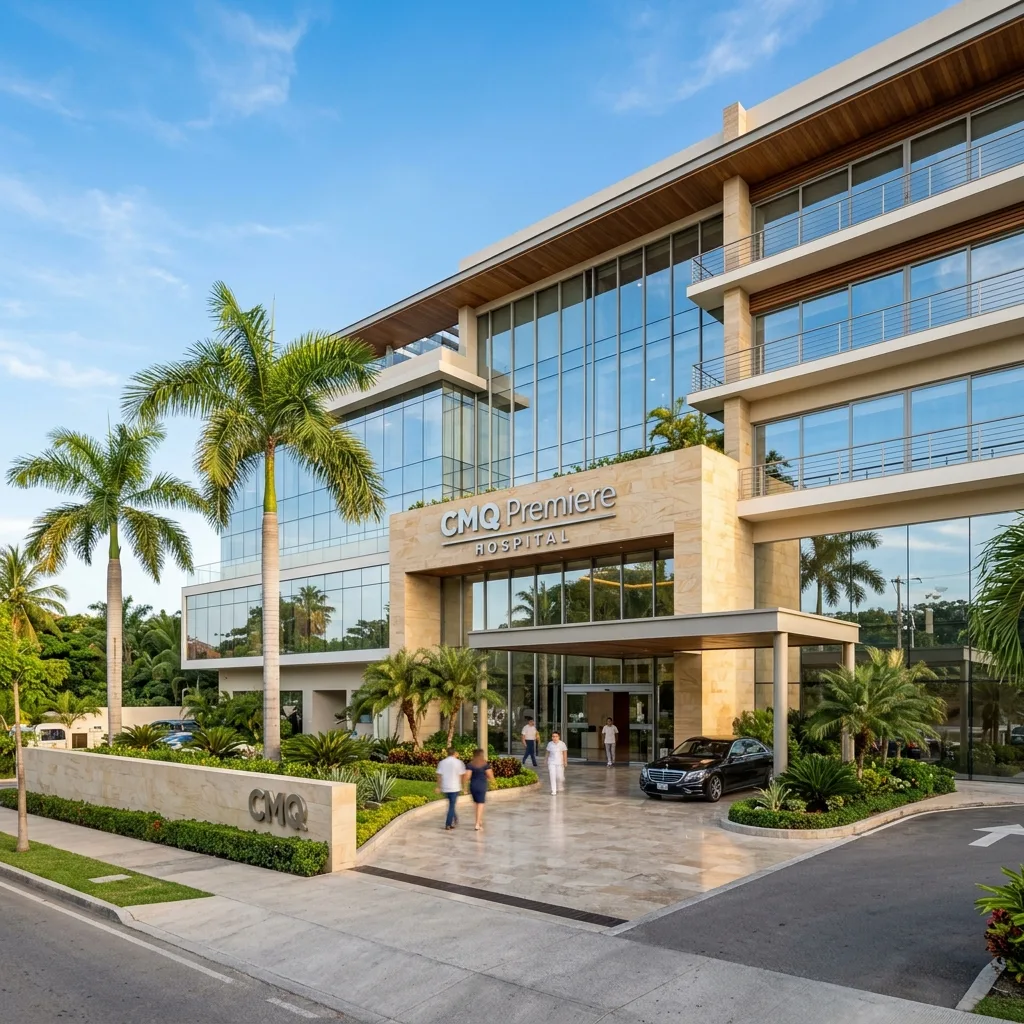 Puerto Vallarta, Jalisco
CMQ Premiere Hospital
The most prestigious hospital facility in Puerto Vallarta for elective surgeries. Features premium amenities focused on patient comfort and comprehensive surgical safety.
- High-tech equipped surgical suites
- Fully equipped Intensive Care Unit (ICU)
- Nationally certified facilities
- Specialized bilingual medical staff
 Tepic, Nayarit
Puerta de Hierro Hospital
High-specialty hospital and member of the region's most prominent medical network. Provides international-level infrastructure and comprehensive tertiary medical support.
- High-specialty surgical blocks
- State-of-the-art Intensive Care
- Accredited by the General Health Council
- International hospital safety standards
Personalized Consultation
Start your consultation and assessment. Tell us about your case and we will coordinate your medical appointment.
Consultation: MX$900
Assessment Request Received!
Thank you for your trust. Our medical team will review your information and get back to you shortly during our business hours.
Medical Review: Content prepared under the supervision and approval of Dr. Uriel Muñoz, Plastic Surgeon certified by the Mexican Board of Plastic, Aesthetic and Reconstructive Surgery (CMCPER Registration #2585). Last medical review: July 8, 2026.
Scientific Sources and Reference Clinical Guidelines: American Society of Plastic Surgeons (ASPS) - Ear Surgery (Otoplasty) guides; Mayo Clinic - Ear Surgery patient information; CMCPER.
* This information is educational and does not replace a medical consultation. Individual results, recovery, risks, and recommendations vary by patient.