Rhinoplasty: Facial Harmony and Proportion
- CMCPER Certificate
- AMCPER Certificate
- ISAPS Member
- Puerto Vallarta and Tepic
What is Rhinoplasty?
The rhinoplasty is a surgery that seeks to modify the shape of the nose to make it look more balanced with your face. It's not about “making a perfect nose”, but building a change. proportional and consistent with your features.
In appraisal, the actual scope is defined: what should be adjusted, what should be retained and what result is reasonable to expect in your case.
Rhinoplasty: what changes and what doesn't change
Rhinoplasty can modify certain visible aspects of the nose, but it also has anatomical limits. The assessment clarifies which adjustments are realistic and which should not be forced to avoid artificial results.
What does a Rhinoplasty usually include?
The surgical plan is tailored to each patient. Depending on the anatomy and aesthetic goal, a rhinoplasty may focus on:
Back profile adjustment
Modification of the nasal bridge to soften humps or align the profile.
Definition and shape of the nasal tip
Tip refinement for improved projection and rotation.
Correction of visible asymmetries
Structural adjustments to improve frontal symmetry.
Nasal base width adjustment
Controlled reduction of nasal wings when necessary for harmony.
Important: no “packages” or standard solutions are worked out. The scope is defined exclusively after medical assessment.
Who is it for?
It could be for you if...
- You are uncomfortable with the shape of your nose (profile, tip or general proportion).
- You are looking for a natural result, without obvious features of surgery.
- You are willing to follow indications and understand that the result is appreciated progressively.
Alternatives should be evaluated if...
- You are looking for a nose identical to a photograph without considering your anatomy.
- You expect an immediate result with no recovery process.
- You do not have the time or conditions for aftercare and revisions.
Rhinoplasty Assessment: how we define your plan
Objective and priorities
What would you like to improve and what are your real priorities.
Facial Analysis
Facial proportions to seek overall balance, not isolated changes.
Anatomy
Nasal structure and skin type (factors influencing evolution).
Scope
Recommended scope of the procedure and reasonable limits.
Logistics
Surgical and logistic site (Puerto Vallarta or Tepic).
“A clear plan, with aligned expectations, defined next steps and space to resolve doubts.”
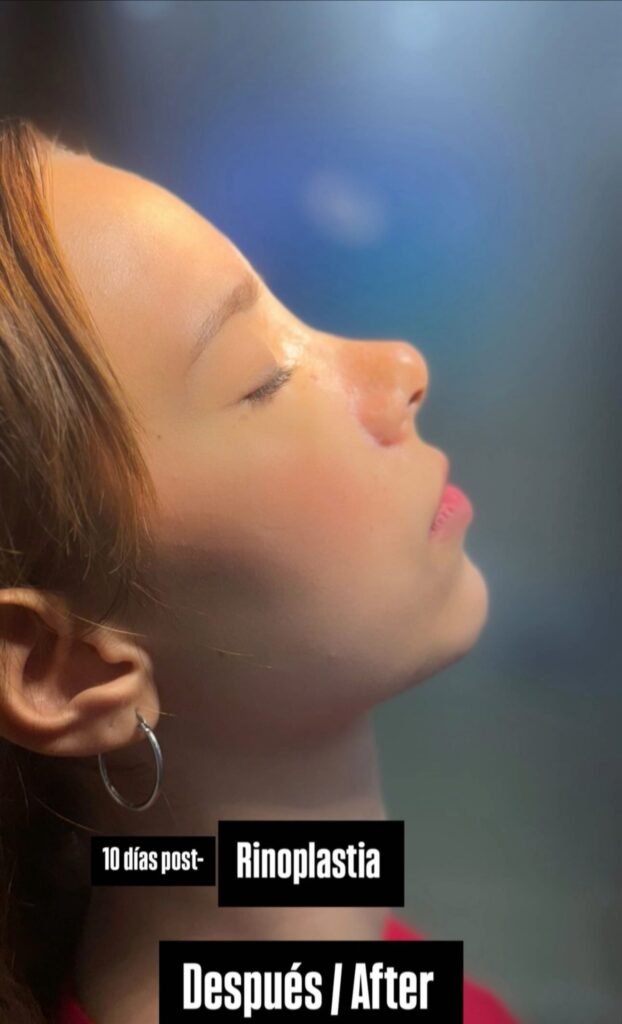
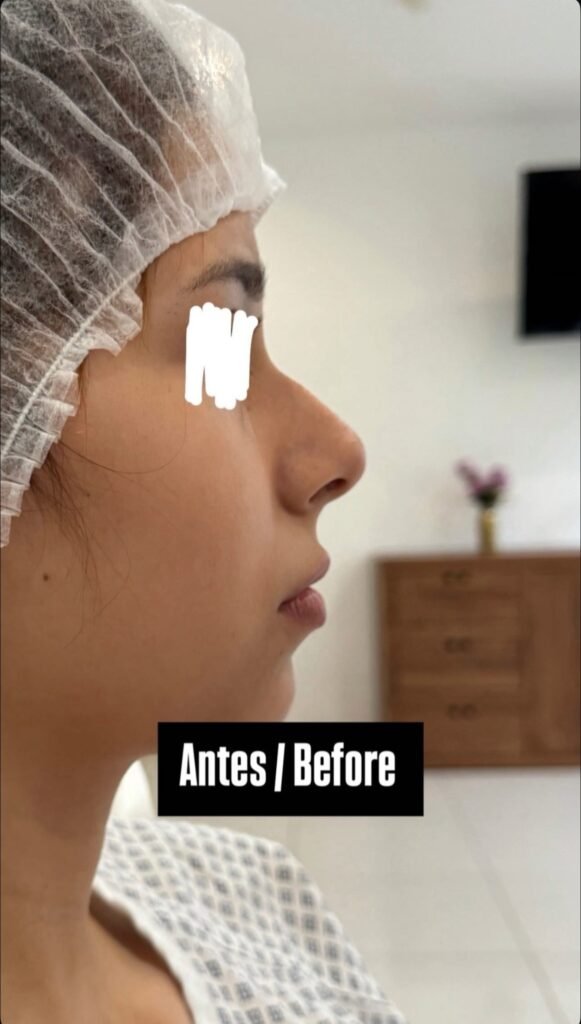
Before and after rhinoplasty pictures
The procedure, explained in simple terms
Transparency about what usually happens in the operating room, explained without unnecessary technicalities:
Surgical environment: It is performed in a hospital setting and with full medical equipment. (The specific location is confirmed when you define your plan).
Anesthesia: The type of anesthesia and anesthetic plan are determined by your assessment and the judgment of the medical team.
Duration: The duration varies according to the complexity of the case and the scope of the procedure.
Approach: The incisions are planned to be hidden as much as possible and are defined according to your anatomy.
Support and protection: At the end, an external support (splint) is placed and, if your case requires it, internal support. Your doctor will tell you what to expect and for how long.
Preparation (before surgery)
- Review of background and objectives.
- Preoperative studies if applicable to your clinical profile.
- Previous indications on habits and logistics at home.
- Support plan for the first days (mobility and care).
Recovery and follow-up
First days: Inflammation and sensation of congestion.
First weeks: Visible changes as the inflammation goes down.
Medium term: Progressive refinement of the shape.
The medical follow-up allows to adjust care and resolve doubts as the patient's evolution progresses.
Risks and considerations
Like any surgery, rhinoplasty involves risks. Among the most relevant are:
Prolonged inflammation or temporary changes in symmetry.
Bleeding or infection (rare with proper care).
Variations in healing according to each patient.
In specific cases, the possibility of subsequent adjustments.
These points are explained individually during the appraisal.
Medical Philosophy
Medical tourism in Puerto Vallarta + coordination
If you are coming from another city or country, you can start with a virtual consultation and organize your process with the support of a patient coordinator.
What it does include:
- Flow orientation: steps, agenda and logistical recommendations.
- Support to reach assessment with clarity.
What it does not include:
Flights and direct hotel reservations (we give you the freedom to choose according to your budget).
Frequently Asked Questions
Are there visible scars?
How painful is the recovery?
When can I wear glasses (sunglasses or prescription)?
When can I return to work or exercise?
Can I have surgery if I live out of town?
Can I bring a reference photo?
Interested?
Security
- AMCPER Certificate
- CMQ Hospital (PV)
- ISAPS Member
- Specialty license : 14822156